
Viennese quark strudel: The classic recipe with vanilla sauce
Hardly any dessert embodies the Viennese coffee house tradition as masterfully as a freshly baked Viennese Quark Strudel. The velvety wrapper of delicate pastry holds a heart of fluffy quark, refined with fine bourbon vanilla, fresh lemon zest, and raisins soaked in genuine Inländer rum. Whether served hot from the oven with a warm, homemade vanilla sauce or lukewarm with afternoon coffee: with the right steps, this timeless recipe is guaranteed to succeed in your home kitchen too. Discover the best professional tips for the filling, the dough, and the perfect vanilla finish here!

The true secret of an outstanding quark strudel lies in the fine balance of its filling's ingredients. In Austria, people traditionally use quark with a 20% or 40% fat content (known as Topfen). The tradition of this Viennese pastry dates back to the Austro-Hungarian (K.u.K.) monarchy, when court bakeries refined the art of combining juicy dairy products with delicate pastry casings. Probably the most important trick of Viennese master pastry chefs: the quark should drain slightly for about 15 to 20 minutes in a sieve lined with a clean cheesecloth before processing. This removes excess whey, ensuring the filling remains stable during baking, retains a velvety texture, and does not make the pastry soggy.
For incomparable fluffiness, make sure to separate the eggs cleanly: while the egg yolks are whipped until creamy with butter, powdered sugar, and vanilla, the egg whites are beaten with a pinch of salt until stiff peaks form and are only gently folded into the mixture at the very end. A touch of fresh organic lemon zest adds a refreshing note to the sweet creaminess. Those who love the classic Viennese taste soak the raisins beforehand for at least 30 minutes in genuine Inländer rum. For children, the raisins can be plumped up just as deliciously in fresh apple juice.
The fat content of the quark directly influences the mouthfeel: 40% fat quark gives the filling an especially rich, cremige structure, while 20% fat quark brings a lighter, fresher note. The physics of temperature also play a decisive role in the bakery. All ingredients should always be at room temperature so that the butter and egg yolks combine seamlessly into a silky-smooth mixture without curdling. If the filling still seems too runny, adding a tablespoon of fine wheat semolina or cornstarch helps to gently bind excess moisture during the baking process.

- 500 g Miil Quark 40% (well drained)
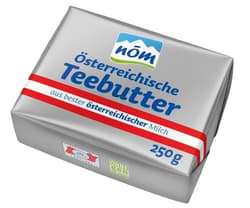
- 70 g soft nöm Teebutter
- 80 g Kitchin powdered sugar
- 3 fresh free-range eggs (separated)
- 1 tsp Kotányi Bourbon vanilla paste
- 1 pinch of organic lemon zest
- 60 g Yutto organic raisins soaked in 2 tbsp Stroh Rum



 Straw Inländer Rum 60%
When it comes to the pastry, opinions in Austrian kitchens often differ: traditionally, curd strudel (Topfenstrudel) is prepared with a real, hand-stretched strudel dough. This is kneaded from flour, water, a little oil, and a pinch of salt, rested for a long time, and then stretched paper-thin over the back of the hand until you can read a newspaper underneath. Strudel dough impresses with its delicate, crispy texture and lets the filling take center stage.
However, when time is short in everyday life, even experienced home bakers like to reach for a ready-to-use fresh puff pastry from the chilled section. The advantage: puff pastry forgives minor handling errors, rises beautifully flaky during baking, and gives the strudel a particularly buttery, crispy note. If you are looking for some variety in your baking, you will find all the ingredients for both dough options in our Sugar, Flour & Baking category.
- Character: Paper-thin, ultra-fine, traditional.
- Advantage: Less fat in the dough, maximum emphasis on the juicy curd cream.
- Preparation: Requires resting time and a delicate touch when stretching.
- Character: Crispy, buttery, rising in flaky layers.
- Advantage: Ready to use immediately with Pappudia puff pastry.
- Preparation: Simply roll out, fill, roll up, and pop into the oven.


With this foolproof guide, your Viennese curd cheese strudel will turn out just like it's fresh from a traditional pastry shop. Make sure to bring all chilled ingredients to room temperature about 20 minutes before preparation.


Quark and berry puff pastry braid
 Gurkerl Küche

 40 min
Only a real, homemade vanilla sauce transforms the curd strudel into an unforgettable coffeehouse experience. Forget instant powder: A fine sauce made from fresh whipping cream, milk, egg yolk, and real Bourbon vanilla requires less than 10 minutes of preparation time and wins you over with its incomparable melt and genuine vanilla aroma.
Recipe for classic Viennese vanilla sauce:
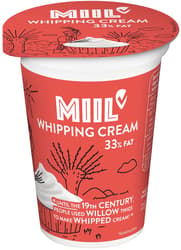
Ingredients: 250 ml fresh whole milk, 150 ml Miil whipping cream 33%, 3 egg yolks, 40 g Kitchin granulated sugar, 1 tsp Kotányi vanilla paste or 1 pinch of ground vanilla.
Preparation: Gently bring the milk, whipping cream, and vanilla to a boil in a small saucepan. In a bowl, whisk the egg yolks and granulated sugar until pale yellow. Slowly pour the hot vanilla milk into the egg mixture while stirring constantly. Return everything to the pot and cook over low heat, stirring constantly with a wooden spoon until the mixture coats the back of the spoon (approx. 80 °C) and the sauce thickens slightly. Do not let it boil, otherwise the egg will curdle! Serve warm with the fresh strudel. Fancy even more vanilla classics? Try our popular Dukatenbuchteln with vanilla sauce.




A Viennese curd strudel (Topfenstrudel) can be prepared wonderfully in advance and tastes fantastic even on the second day, once the fine spices and vanilla aroma have fully infused. With these practical tips, the crispy treat is preserved without any loss of quality:
Reheat leftover strudel pieces in the oven at 160 °C fan-assisted for approx. 6 to 8 minutes. This makes the pastry crispy again without drying out the curd filling.
Allow baked strudel pieces to cool completely, pack airtight, and freeze. To defrost, simply let them rest at room temperature and warm up briefly in the oven.
Depending on the season, complement the filling with fresh raspberries, blueberries, or juicy apricot pieces for a fruity touch. Discover fresh products in the Gurkerl refrigerated section.
When defrosting frozen strudel pieces, a tried-and-tested kitchen trick helps: lightly moisten the surface of the pastry with a little melted butter or a few drops of fresh water before reheating. This prevents the top crust layer from burning or drying out in the oven, while the flakiness and golden-brown color are perfectly restored.
Experimenting with fruits throughout the baking year is also highly rewarding: in spring, tender rhubarb cubes pair excellently with the mild acidity of the curd, in midsummer, fresh sour cherries or aromatic wild blueberries bring a colorful fruity note. In autumn, the curd filling can be perfectly combined with stewed cinnamon apples or fine stewed plums (Zwetschkenröster).