Make your own Viennese bread dumplings
Fluffy, fragrant, and juicy. A real Viennese bread dumpling is the heart of local cuisine. Whether served with a hearty roast pork, a delicate mushroom ragout, or an aromatic goulash. With the right milk-to-egg ratio, aromatic onions, and proven tricks, the dumplings are guaranteed to turn out fluffy and will never fall apart in the boiling water.

1. The secret of the perfect dumpling bread
In the Viennese tradition, a roll is only ready for dumplings when it is at least one day old. Due to the subtle loss of moisture, the starch structure in the bread changes, allowing the cubes to absorb the liquid evenly like a sponge. The result is a wonderfully juicy yet airy texture.
When cutting fresh stale rolls, make sure to cut even cubes with an edge length of about 8 to 10 millimeters. Crumbs that are too fine make the dough pasty and heavy, while bread pieces that are too large can remain dry in the finished dumpling. If you don't have time to cut them yourself, you can use ready-to-use dumpling bread cubes made from pure white bread. Make sure to store the dumpling bread cubes in a dry and airy paper bag before processing.
If you notice that your bread mixture seems a bit too soft despite the exact amount of liquid, a tried-and-tested Viennese kitchen trick will help: one to two tablespoons of coarse wheat flour or fine breadcrumbs bind the excess moisture without clogging the pores of the dumplings. Coarse flour swells more slowly in the dough and ensures particularly good stability during cooking. Discover the matching bread & bakery assortment on gurkerl.at for your next cooking session.

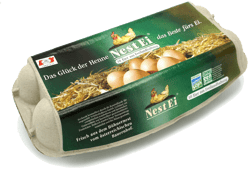
 Nest Ei free range eggs 10 Size M
2. The magic milk-egg ratio
The perfect basic ratio is easy to remember: For 250 grams of dumpling bread, use about 150 to 200 milliliters of lukewarm whole milk and 3 fresh medium-sized eggs. First, whisk the eggs thoroughly with the lukewarm milk, a little salt, and a freshly grated pinch of nutmeg in a measuring cup before pouring the liquid evenly over the dumpling bread.
The rule of thumb for 4 people:
- 250 g dumpling bread (or 5 stale Kaiser rolls)
- 150–200 ml lukewarm whole milk (3.5% fat)
- 3 eggs (free-range eggs)
- 1 tsp salt and freshly grated nutmeg
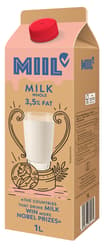
After pouring, the most important step follows: gentle folding. Carefully mix the mixture from bottom to top using your hands or a flat wooden spatula, without crushing the bread cubes. Then cover the bowl with a clean kitchen towel and let the dough rest at room temperature for at least 20 to 25 minutes. During this resting time, the bread absorbs the liquid right to its core. Test the consistency after 10 minutes: if the mixture is still dry, add a splash of milk at a time. Find Fresh milk & dairy products on gurkerl.at.

3. Aromas & Herbs: Onion in Teebutter and Fresh Parsley
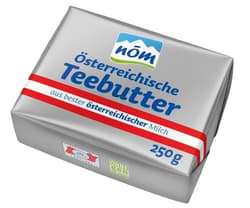
Cut a small yellow onion into cubes as fine as possible. Heat about 20 to 30 grams of the finest Teebutter in a small pan and slowly sauté the onions over mild heat until translucent. They must not turn brown under any circumstances, as dark roasted aromas would mask the delicate butter and bread flavor. Slow sautéing coaxes out the onion's natural sweetness.
Wash the fresh flat-leaf parsley, pat it dry carefully with paper towels, and finely chop the leaves. Add the parsley to the warm butter with the onions only at the very end for a brief moment, so that the essential oils are released but the parsley retains its bright green color.
Let the onion-butter-herb mixture cool down to lukewarm before mixing, so that the eggs in the dough do not curdle. If you fancy a particularly hearty tavern-style version, you can also mix 60 grams of crisply fried Vulcano bacon cubes into the dough. This creates delicious Tyrolean bacon dumplings, which pair wonderfully with sauerkraut or warm cabbage salad.

4. Shaped with wet hands: The right technique
Place a bowl of cold water next to your work surface. Lightly moisten your palms before shaping each dumpling. Take a handful of the dumpling mixture (about the size of a tennis ball) and first press it gently together in both hands to close any air pockets inside. Then, roll the mixture with circular movements between your cupped palms into a flawlessly smooth ball about 6 to 7 centimeters in diameter.
The Golden Pro Tip: The test dumpling
Before cooking the entire batch, first shape a small test dumpling 3 cm in diameter and place it in the gently simmering salted water. If it falls apart in the water, the dough is too wet: stir in 1 to 2 tablespoons of coarse flour. If the test dumpling is too hard, add another 2 tablespoons of warm milk.
Make sure that the surface of the dumplings is completely smooth and has no deep cracks. Hot water could penetrate through cracks or crevices during cooking and damage the structure. Place the shaped dumplings on a lightly floured board or plate until ready to cook.


 35 min


 Under an hour


5. Steaming instead of boiling: Foolproof preparation
Bring a large, wide pot with plenty of salted water to a boil (approx. 1 heaped teaspoon of salt per liter of water). As soon as the water bubbles, immediately reduce the heat to a medium to low setting. The water should only bubble and move very gently.
Gently slide the dumplings into the water using a slotted spoon. They will initially sink to the bottom of the pot and slowly rise to the surface after about 5 to 7 minutes. Let the bread dumplings simmer gently in an uncovered or slightly tilted pot for about 15 to 20 minutes.
If you want 100% success, choose steaming: Place a perforated steamer basket into a pot with 2 cm of boiling water, brush the basket with a little butter, and place the dumplings inside. With the lid closed, the dumplings steam perfectly in about 20 minutes, retaining their shape and absorbing not a single gram of excess water.

6. The best accompaniments and delicious leftover ideas
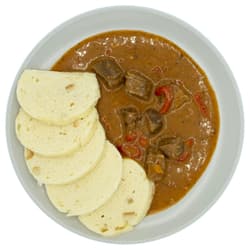
The combination with creamy mushroom ragout or a juicy beef goulash is particularly popular. The coarse structure of the bread pieces literally soaks up the aromatic sauce. Also try the foolproof mushroom ragout with bread dumplings recipe on gurkerl.at.
If you have leftover dumplings from the day before, look forward to the next day, because roasted dumplings with egg are a true classic of Viennese leftover cuisine:
Instructions: Roasted dumplings with egg (quick recipe)
- Cut cold bread dumplings into approx. 1 cm thick slices or cubes.
- Heat 1 to 2 tbsp of butter in a pan over medium heat and fry the dumpling pieces on all sides until golden brown.
- Whisk 2 to 3 eggs, season with a little salt and pepper, pour over the hot dumplings and let them set while stirring gently.
- Sprinkle with freshly chopped chives and serve hot with green butterhead lettuce.
This is how leftover dumplings are transformed in just a few minutes into a complete, delicious lunch or dinner for the whole family.