
Wachauer Marillenzeit: Die besten Rezepte für Marillenknödel, Kuchen und Marmelade
Wenn die Sonne über den Steilterrassen der Wachau glüht und die Äste der Marillenbäume unter der Last leuchtend orangener Früchte biegen, beginnt in Österreich die wohl köstlichste Zeit des Jahres. Die Wachauer Marille ist kein gewöhnliches Obst. Sie ist ein geschütztes Kulturgut, ein saftiges Versprechen von Sommergefühlen und das Herzstück der österreichischen Mehlspeisenkultur. Ob als flaumiger Marillenknödel in goldbraunen Butterbröseln, als duftender Blechkuchen am Sonntagnachmittag oder als fein eingekochte Marillenmarmelade für das Sonntagsfrühstück im Winter: Wir zeigen dir die besten Marillen Rezepte, Geheimtipps der Wiener Traditionsbäckerei und wie du den vollen Sommergeschmack zu dir nach Hause holst.
Das süße Gold der Wachau: Warum frische Marillen alles verändern
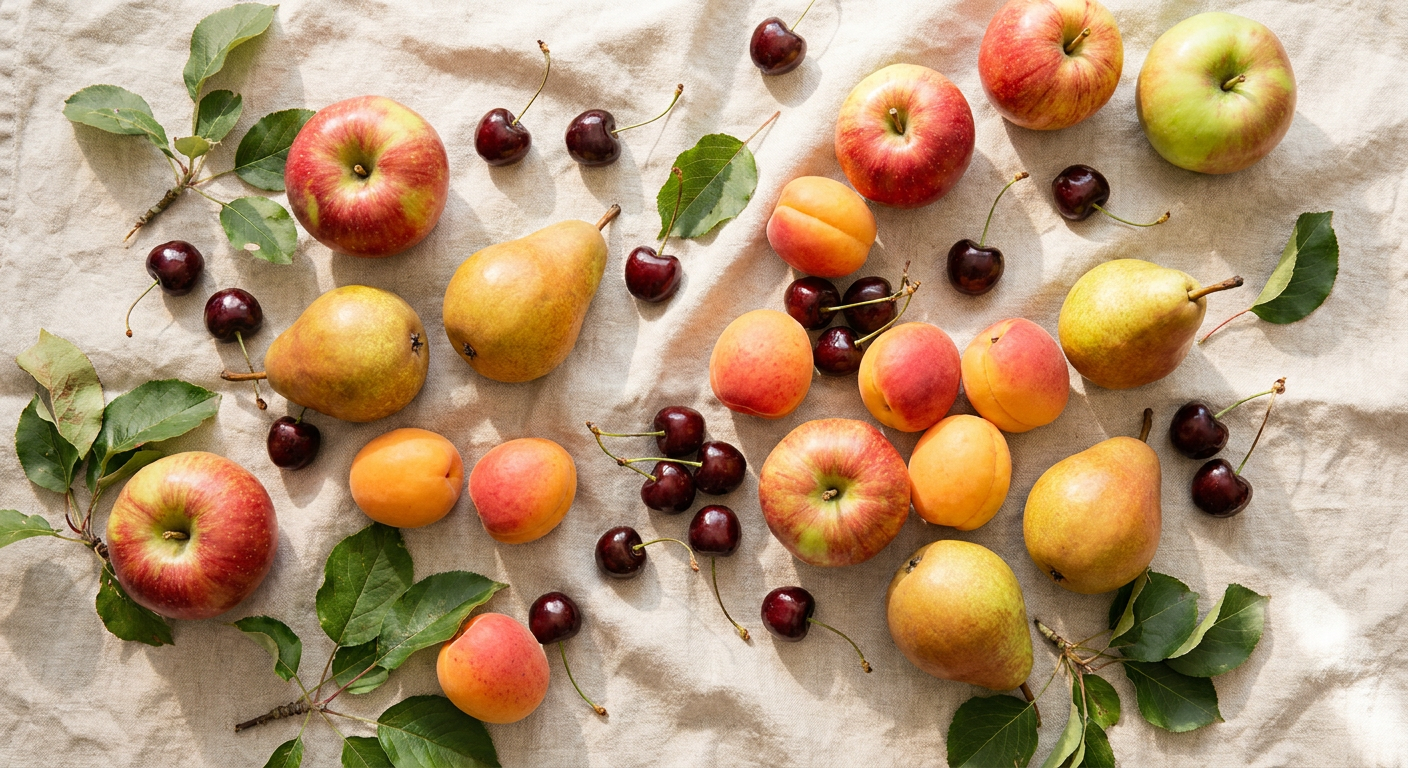
Warum schmeckt eine echte Wachauer Marille so unvergleichlich intensiv? Das Geheimnis liegt im einzigartigen Mikroklima des Donautals. Die heißen Sommertage an den Sonnenhängen treffen nachts auf kühle Luftströmungen aus dem Waldviertel. Diese extremen Temperaturschwankungen sorgen dafür, dass die Früchte ein perfektes Gleichgewicht aus natürlicher Süße und erfrischender Fruchtsäure entwickeln. Ihre samtige Haut schimmert gelb-orange mit den typischen karminroten Bäckchen, während das Fruchtfleisch wunderbar saftig und aromatisch ist.
Wenn du frische Marillen bei Gurkerl bestellst, gelangen sie auf kürzestem Weg direkt vom Feld zu deiner Haustür. Anders als im Supermarkt, wo Früchte oft unreif geerntet werden und nach langen Transportwegen an Aroma verlieren, achten unsere regionalen Partner auf den perfekten Reifegrad. Reife Marillen erkennst du daran, dass sie intensiv duften und auf leichten Druck sanft nachgeben. Sie eignen sich ideal zum sofortigen Vernaschen, für saftige Blechkuchen oder als saftiger Kern im klassischen Knödelteig.
Wer das volle Aroma genießen möchte, sollte Marillen übrigens nie eiskalt direkt aus dem Kühlschrank essen. Lass die Früchte vor dem Zubereiten oder Genießen etwa eine halbe Stunde bei Raumtemperatur stehen. So entfalten sich die ätherischen Öle und die natürliche Fruchtsüße am intensivsten. Entdecke jetzt unsere frischen Halbmayrs Marillen direkt aus der Region!
Flaumige Marillenknödel aus leichtem Topfenteig: Die hohe Kunst des Klassikers
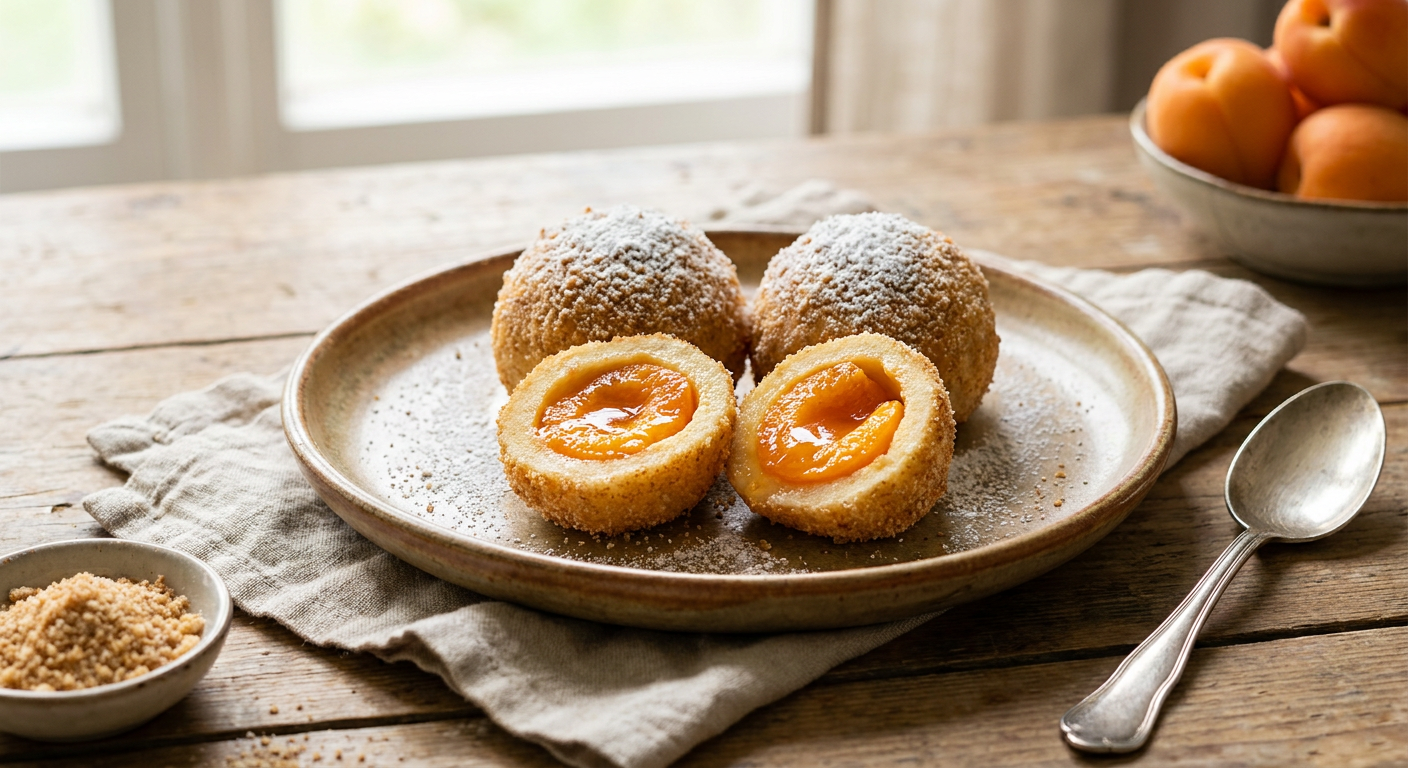
Ein Sommer ohne Marillenknödel ist in Österreich schlichtweg unvorstellbar. Während manche Regionen auf Kartoffelteig oder Brandteig schwören, schlägt das Herz der Wiener Mehlspeisenküche eindeutig für den feinen Topfenteig. Er ist unvergleichlich zart, leicht säuerlich im Geschmack und umschließt die saftige Frucht wie eine samtene Hülle. Das Geheimnis liegt in frischem Miil Topfen, bester Teebutter und knusprig gerösteten Semmelbröseln.
Zutaten für 8 bis 10 Knödel
- Für den Teig: 250 g Topfen (20 % oder 40 % Fett), 70 g weiche Butter, 1 Ei (M), 1 TL Vanillezucker, 1 Prise Salz, 70 g Hartweizengrieß, ca. 110 g glattes Mehl.
- Für die Fülle: 8 bis 10 kleine feste Marillen, 8 bis 10 Stück Würfelzucker.
- Für die Brösel: 100 g Butter, 150 g Semmelbrösel, 2 EL Kristallzucker, 1/2 TL Zimt.
Das Geheimnis des Bäckermeisters
Verwende gut abgetropften Topfen. Zu viel Feuchtigkeit im Teig erfordert nämlich zu viel Mehl. Genau das macht den Knödel später zäh statt flaumig. Lass den Teig vor dem Formen unbedingt 30 Minuten im Kühlschrank ruhen, damit der Grieß quellen kann!
Schritt-für-Schritt zur Knödelperfektion
Teig anrühren & kühlen: Weiche Butter mit Ei, Vanillezucker und Salz schaumig rühren. Abgetropften Topfen, Grieß und nach und nach das Mehl unterrühren. Den Teig abgedeckt 30 Minuten im Kühlschrank ruhen lassen.
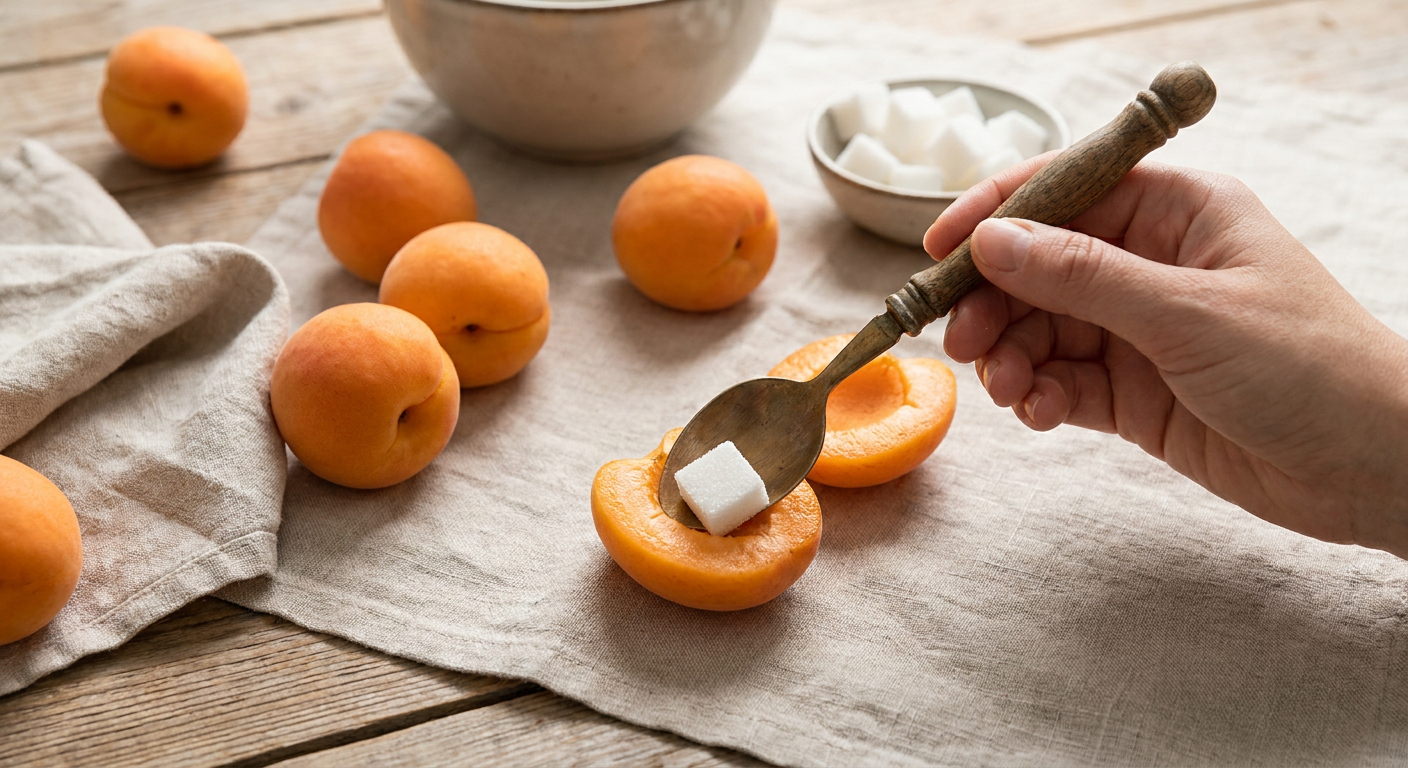
Profi-Trick beim Entsteinen: Marillen nicht durchschneiden! Drücke den Kern mit dem Stiel eines Kochlöffels von der Stielseite vorsichtig heraus. Stecke anstelle des Kerns ein Stück Würfelzucker hinein.
Knödel formen: Teig in 8 bis 10 Stücke teilen. Mit bemehlten Händen flach drücken, je eine Marille darin einhüllen, Nahtstellen gut verschließen und zu glatten Knödeln rollen.
Sanft garen & wälzen: In leicht gesalzenem, nur leicht siedendem Wasser 12 bis 15 Minuten ziehen lassen. Währenddessen Brösel in Butter goldbraun rösten, Zucker und Zimt einrühren. Abgetropfte Knödel darin wälzen und mit Staubzucker bestreuen.

 30 min


 Schnell
Saftiger Marillenkuchen vom Blech: Der schnellste Sommergenuss für Kaffeekränzchen
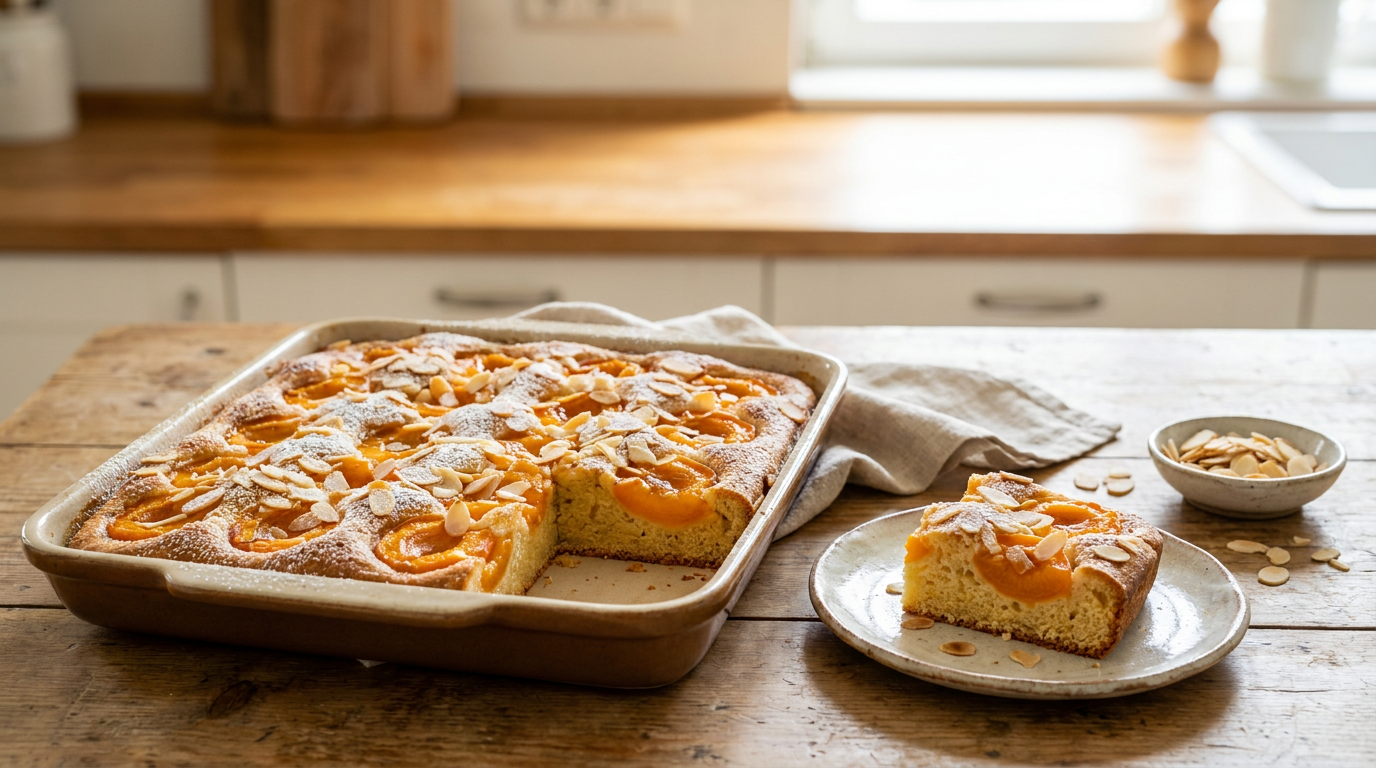
Wenn sich spontaner Besuch anmeldet oder die Lust auf frisches Gebäck am Sonntagnachmittag groß ist, gibt es keine köstlichere Antwort als einen klassischen Marillenkuchen vom Blech. Ein fluffiger Rührteig mit frischer Butter und Sauerrahm bildet die perfekte Basis für halbierte Marillen, die beim Backen leicht einsinken und ihren fruchtig-säuerlichen Saft an den Teig abgeben.
Damit der Marillenkuchen perfekt gelingt und der Teig unter den Früchten nicht matschig wird, gibt es ein paar einfache Grundregeln. Setze die entsteinte Marillenhälften stets mit der Schnittfläche nach oben auf den Teig! Dadurch fängt die kleine Mulde der Marille den austretenden Fruchtsaft auf, anstatt dass er tief in den Teig sickert. Wenn die Marillen besonders saftig sind, kannst du die Schnittflächen vor dem Belegen ganz leicht mit etwas Stärke oder feinem Hartweizengrieß bestreuen.
Der Extra-Crunch: Streue vor dem Backen gehobelte Mandelblättchen oder knusprige Butterstreusel über die Früchte. Nach etwa 35 Minuten bei 180 °C Ober-/Unterhitze verströmt deine Küche den Duft einer traditionellen Wiener Hofbäckerei. Serviere den Kuchen lauwarm mit geschlagenem Schlagobers!
Sommer im Glas: Selbstgemachte Marillenmarmelade für das ganze Jahr
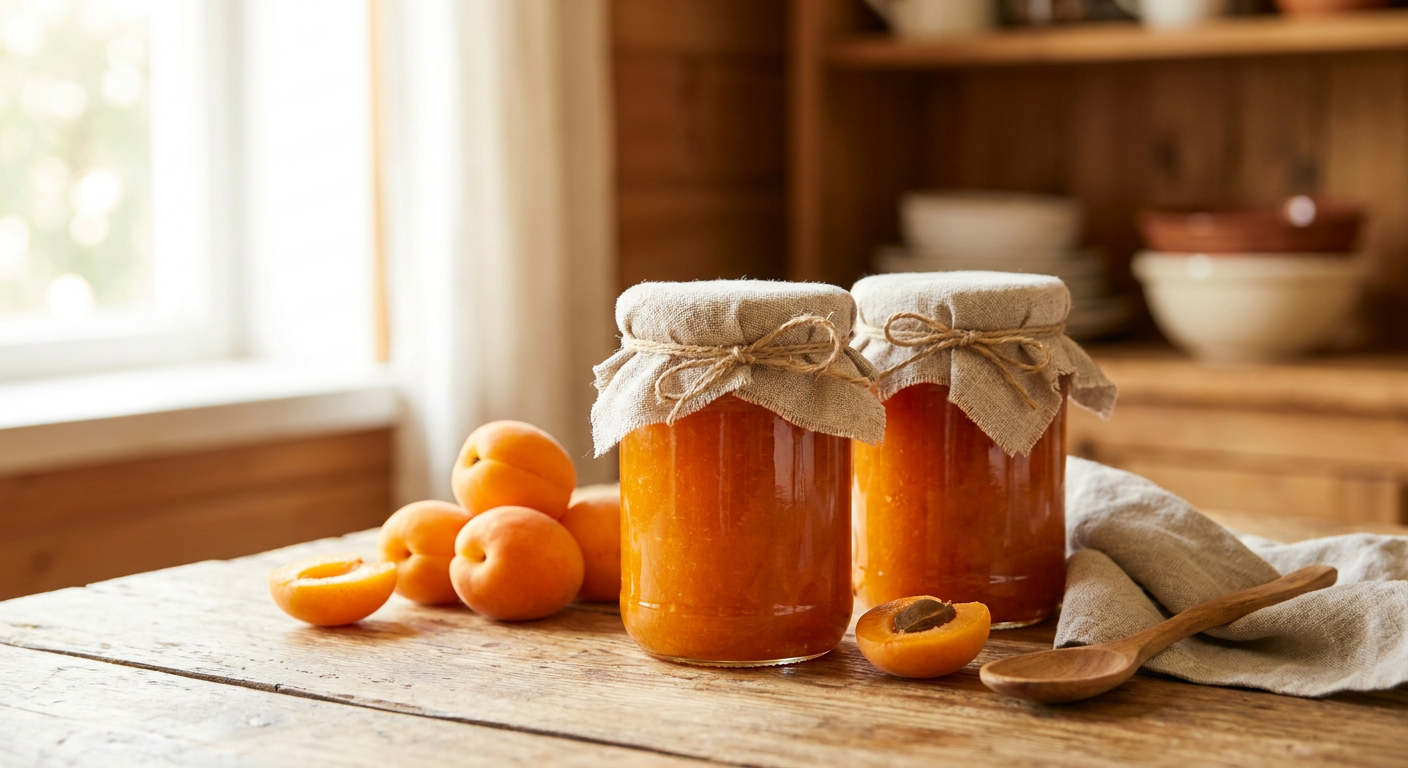
Die Marillensaison vergeht wie im Flug. Doch mit einer hausgemachten Marillenmarmelade holst du dir den Sonnenschein mitten im tiefsten Winter auf dein Frühstücksbrot. Ob als Fülle für feine Biskuitrollen, klassische Linzer Augen, Wiener Palatschinken oder einfach auf knusprigem Buttergebäck: Selbstgemachte Marillenmarmelade ist der unangefochtene König der Fruchtaufstriche.
Das Geheimnis der perfekten Gelierung: Gelierzucker 2:1
Verwende für deine Marmelade vollreife Früchte. Auf 1 kg geputzte, entsteinte Marillen kommen 500 g Birkengold Gelierzucker 2:1. Gib den Saft einer halben Zitrone dazu: Das hebt das Fruchtaroma und unterstützt das natürliche Pektin.
Der Wiener Bäckertrick: Rühre kurz vor dem Abfüllen 2 EL Inländer-Rum oder feinen Marillenschnaps ein. Der Alkohol konserviert zusätzlich und verleiht deiner Marmelade eine unvergleichlich elegante Note!
Schritt-für-Schritt Einkochanleitung für gelingsichere Marmelade
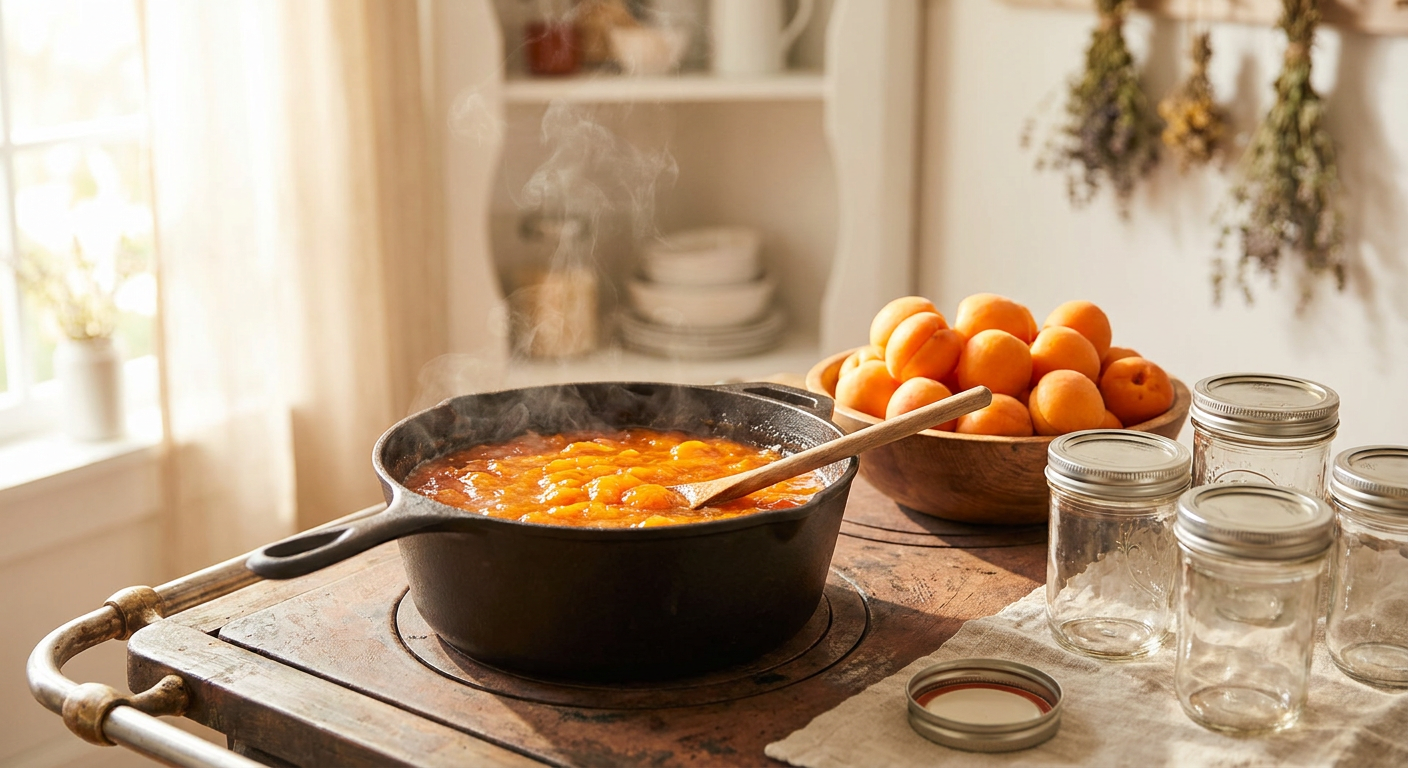
- Gläser sterilisieren: Wasche saubere Schraubgläser und Deckel heiß aus und spüle sie mit kochendem Wasser nach. Auf einem sauberen Geschirrtuch abtropfen lassen. So bleibt deine Marmelade monatelang haltbar.
- Früchte vorbereiten: Die gewaschenen Marillen halbieren, entsteinen und in kleine Stücke schneiden oder pürieren. Wer Stückchen in der Marmelade liebt, püriert nur die Hälfte der Masse.
- Aufkochen & Gelierprobe: Fruchtmasse mit Gelierzucker und Zitronensaft in einem großen Topf vermengen. Unter ständigem Rühren aufkochen lassen. Ab dem sprudelnden Kochen genau 4 Minuten kochen lassen. Gib dann einen TL heiße Marmelade auf einen gekühlten Teller. Wird die Masse nach 30 Sekunden fest, ist die Marmelade bereit zum Abfüllen.
- Abfüllen & Kühlen: Den feinen Rum einrühren, die heiße Marmelade sofort randvoll in die Gläser füllen, fest verschließen und für 5 Minuten auf den Kopf stellen. Anschließend aufrecht an einem kühlen, dunklen Ort auskühlen lassen.