
Viennese Saftgulasch: The traditional original recipe
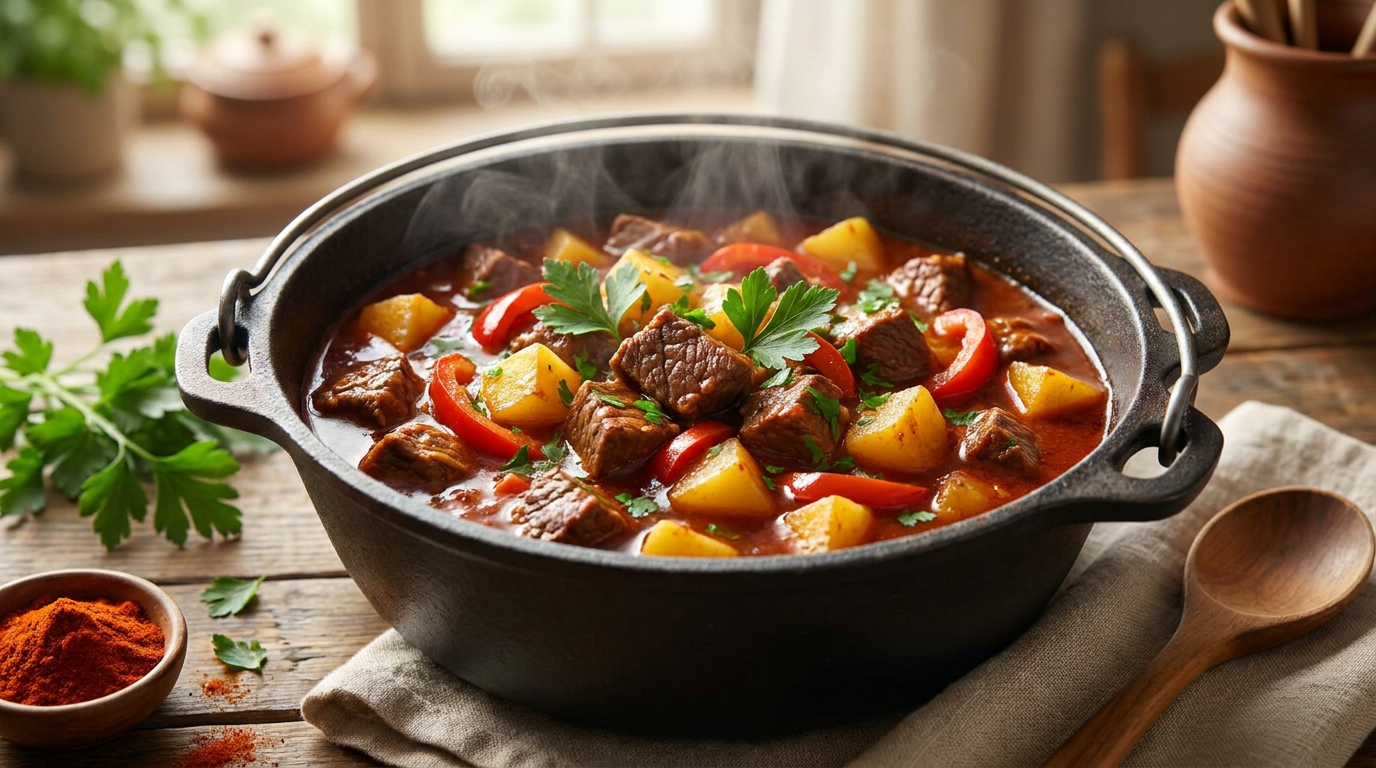
There are dishes that are far more than mere sustenance: they are a piece of living cultural history. The Viennese Saftgulasch is the undisputed centerpiece of traditional Viennese tavern culture. A perfect goulash stands out with tender, juicy beef that literally melts on your tongue, enveloped in a deep, rich, gloriously velvety sauce.
The biggest secret to an authentic Viennese Saftgulasch? It requires neither flour, starch, nor artificial thickeners. Its rich, velvety texture comes exclusively from the exact 1:1 ratio of meat to onions and sheer patience during slow braising. Here, you will learn step-by-step all the master tricks for making authentic beef goulash at home.
1. The Meat & Onions: The Inseparable 1:1 Rule
Every great dish begins with the uncompromising selection of its basic ingredients. In traditional Viennese Saftgulasch, there are two main protagonists whose interaction determines success or disappointment: the right beef and the exact same amount of onions.
Why Beef Shank is Unbeatable
Forget lean beef from the round or tenderloin. For an authentic Saftgulasch, in Austria you traditionally rely exclusively on Wadschinken (beef shank or shin). This cut is rich in strong tendons and natural connective tissue.
While lean meat turns dry and fibrous during hours of braising, pure magic happens with beef shank: the collagen it contains slowly melts into tender gelatine over gentle heat. The result is butter-tender meat and a rich, smooth sauce consistency that does not require a single spoonful of flour. Discover top quality in our selection of fresh Austrian beef.
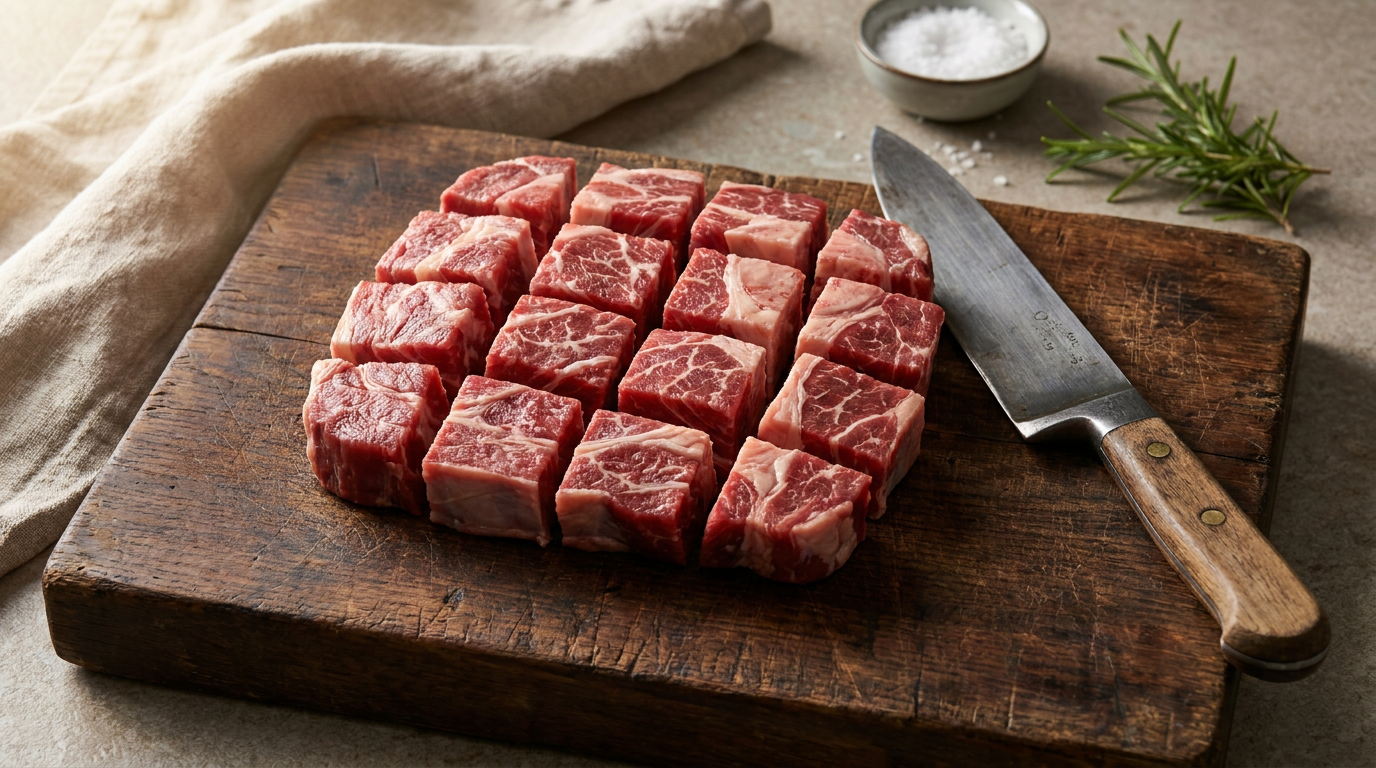

 Beef goulash diced


2. Browning the onions: Patience for the perfect mahogany color
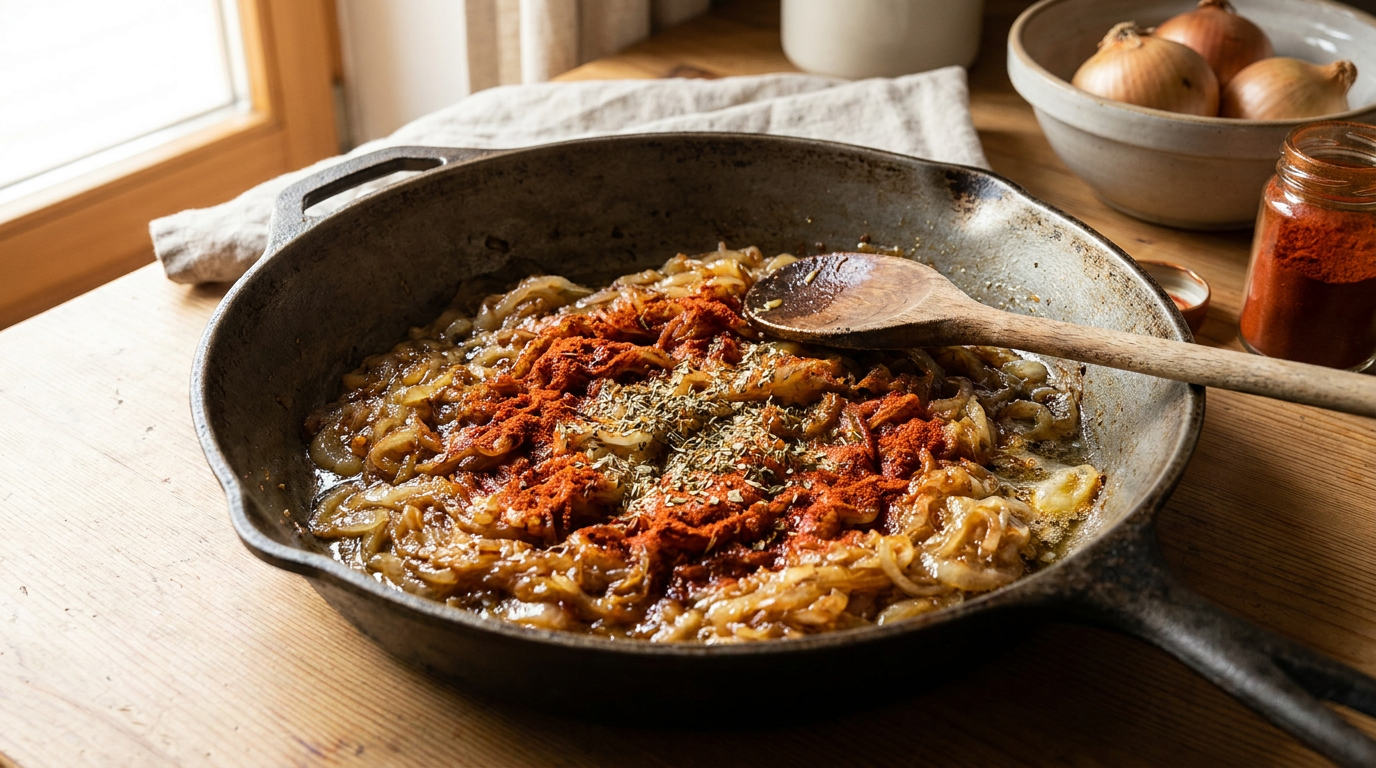
This is where the character of the Saftgulasch is decided. The deep brown color and delicate, savory sweetness of the gravy come not from colorings or powders, but solely from the gentle caramelization of the onions.
-
A
Choosing the right fat
Use traditional clarified butter (ghee) or good quality lard. They withstand heat exceptionally well and bring an authentic, well-rounded nutty aroma.
-
B
Slow and gentle browning
Slowly sauté the finely chopped onions over medium to low heat for 30 to 45 minutes, stirring constantly. They must not burn or turn black under any circumstances, otherwise the sauce will become bitter.
-
C
Tomato paste for deep color
At the end of the browning time, briefly sauté a tablespoon of concentrated tomato paste to add a rich, roasted foundational note.


3. Adding the Paprika & Aromatics: The Magic of Goulash Seasoning
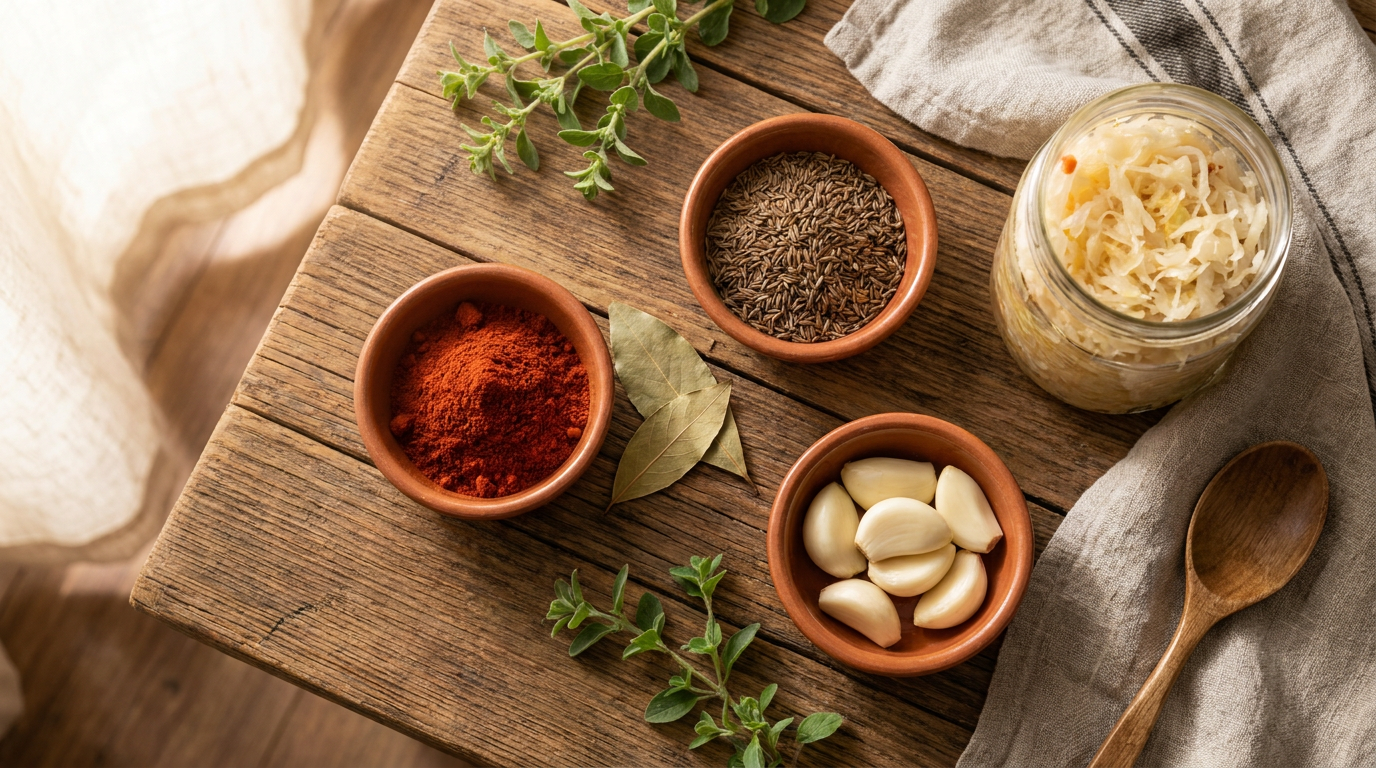
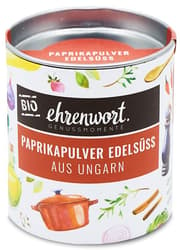
Paprika is the soul of goulash, but it requires gentle handling. The process of adding paprika (known as "paprizieren") creates the signature vibrant ruby red color and the unmistakable flavor of traditional Viennese cuisine.
The Traditional Viennese Spice Composition
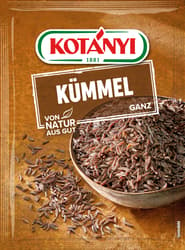
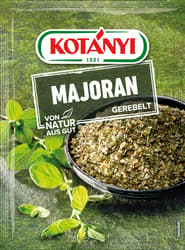
An authentic Viennese Saftgulasch lives on a finely tuned harmony of spices. You can find all the ingredients fresh and aromatic in our World of Herbs & Spices:
If you don't remove the pot from the hot stove, the fine paprika powder will burn in seconds and turn bitter. Stir in the paprika quickly and deglaze immediately with a dash of vinegar and a little water. The vinegar fixes the brilliant red color and masterfully balances the sweetness of the onions.


4. Step by Step to Master Goulash (The Original Recipe)
Follow this proven guide from traditional Viennese tavern cuisine for approx. 4 to 6 hungry food lovers. Important: Take your time and keep the heat low.
Mise en Place & Cutting the Meat
Trim any coarse sinew from 1 kg beef shank and cut into approx. 3 to 4 cm cubes. Peel 1 kg onions and slice thinly or dice finely. Finely chop the garlic.
Slowly Browning the Onions
Heat 3 to 4 tbsp clarified butter in a heavy Dutch oven. Add the onions and cook gently over low heat, stirring regularly, for 35 to 40 minutes until soft and golden brown. Briefly stir in 1 tbsp tomato paste.
Adding Paprika & Deglazing
Remove the pot from the heat. Quickly stir in 3 to 4 heaped tbsp sweet paprika powder and immediately deglaze with 2 tbsp table vinegar and approx. 150 ml warm water or beef stock so that nothing burns.
Mixing in Meat & Aromatics
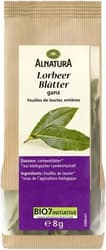
Stir in the raw beef cubes (in the Viennese original, they are not seared separately!), the garlic, 1 tbsp dried marjoram, 1 tsp crushed caraway seeds, 1 bay leaf, and 1 tsp salt.
Gentle Simmering over Low Heat
Cover with the lid and let the goulash simmer very gently over the lowest heat for approx. 2.5 to 3 hours. The meat will release its own juices - add a tiny splash of stock only if needed.
Finishing the Sauce
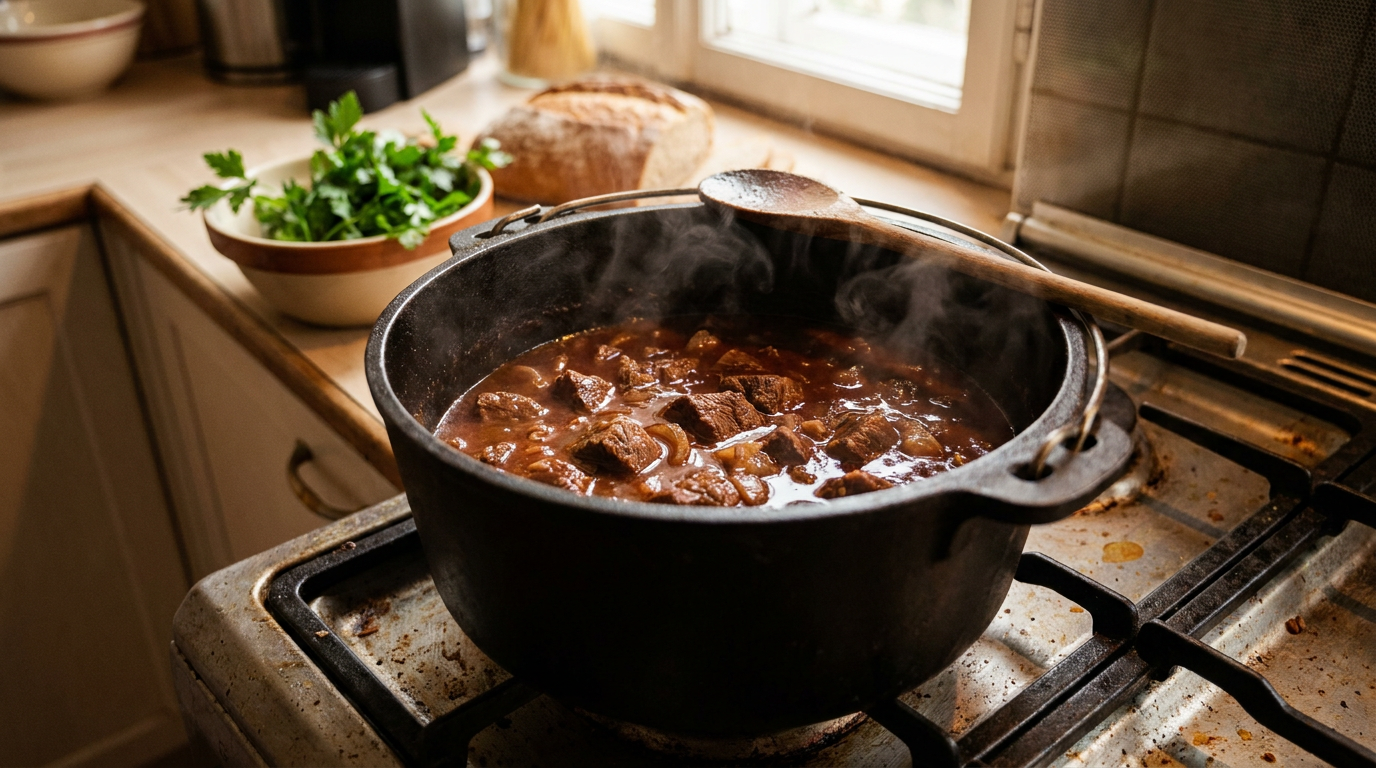
Remove the lid during the last 30 minutes to allow the sauce to reduce. When the meat can be easily pierced with a fork and a fine sheen of red oil glistens on top of the sauce, it is perfect!


5. The Law of Reheating & Classic Side Dishes
An authentic Viennese Saftgulasch never reaches its culinary peak on the day it is prepared. Only after cooling down and being gently reheated the next day do the flavors combine into complete harmony.
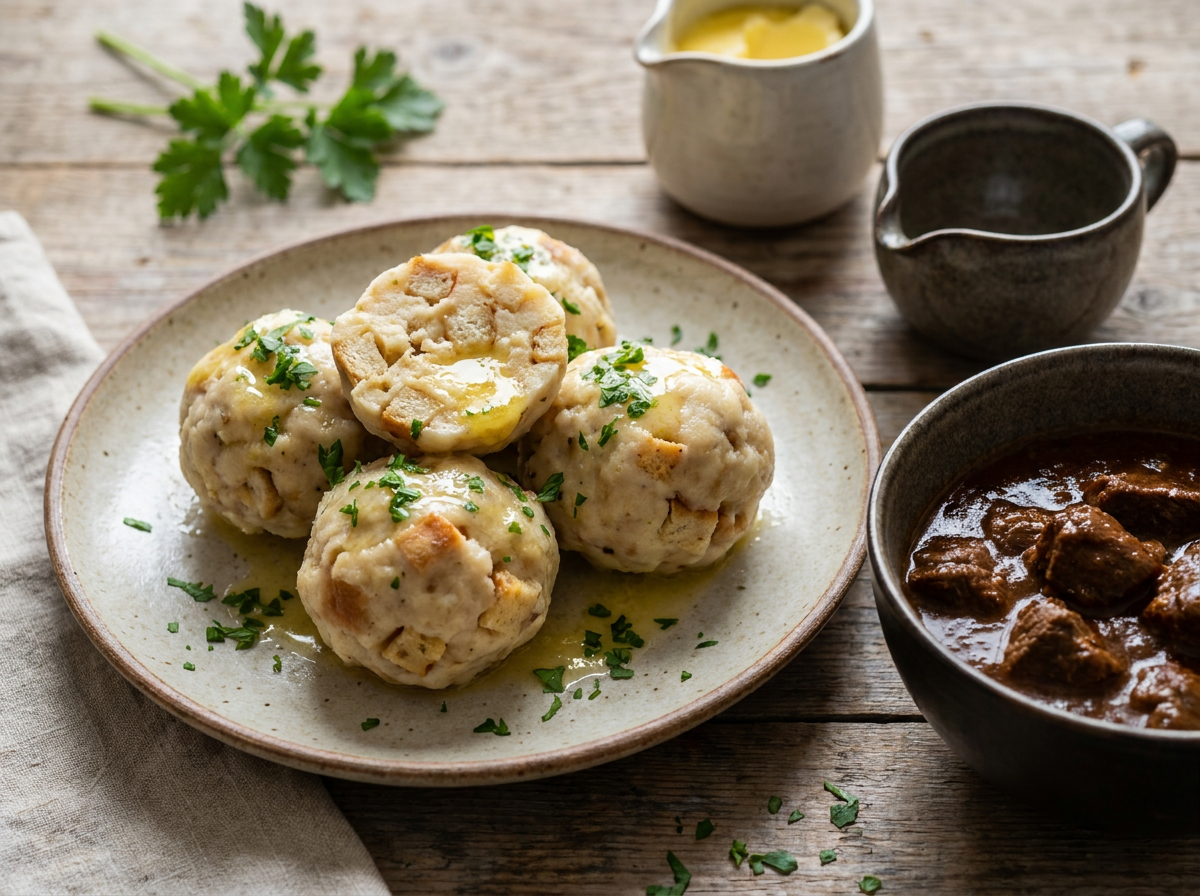
"Reheated goulash is like a good joke – it gets better with time!"
Overnight, the collagen sets, the meat fibers absorb the flavorful paprika sauce, and the gravy becomes even more velvety.