Preparing Tender Venison Ragout: The Autumnal Game Classic
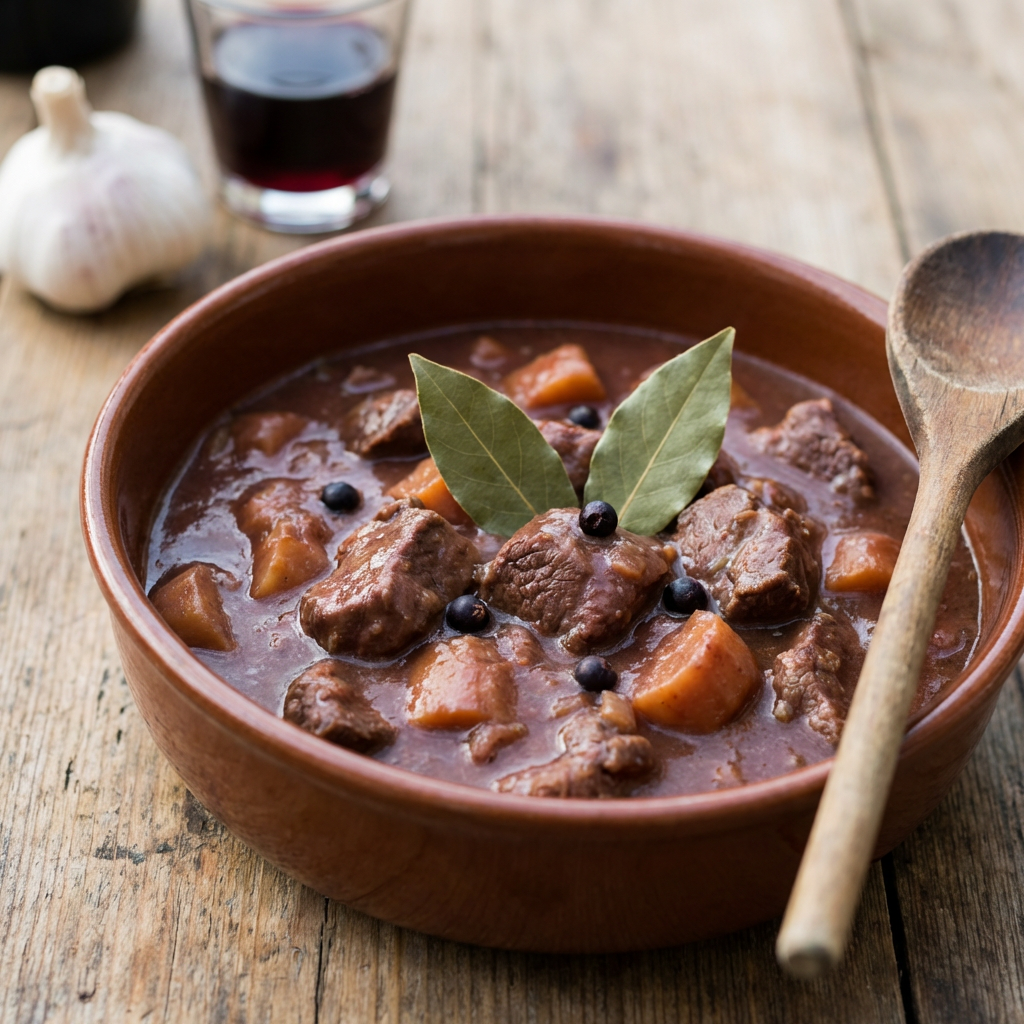
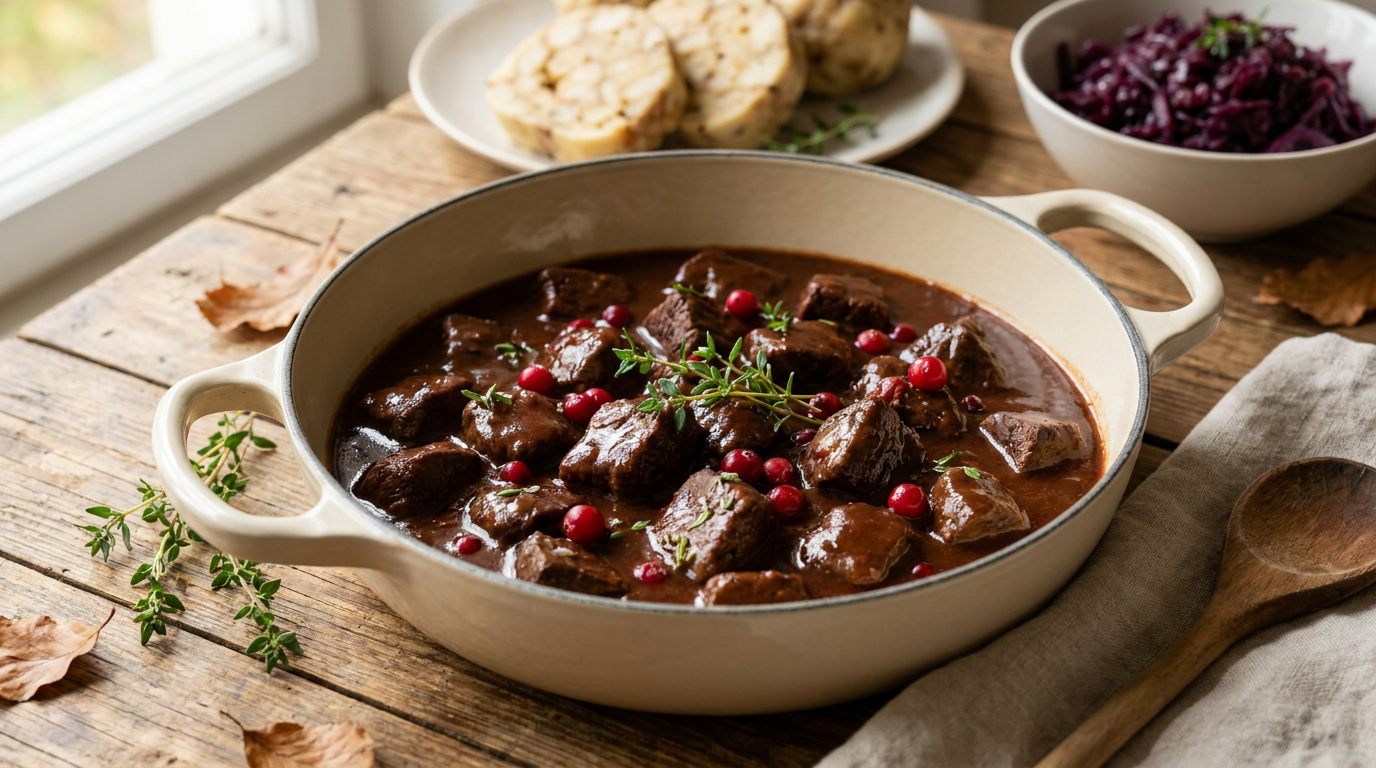
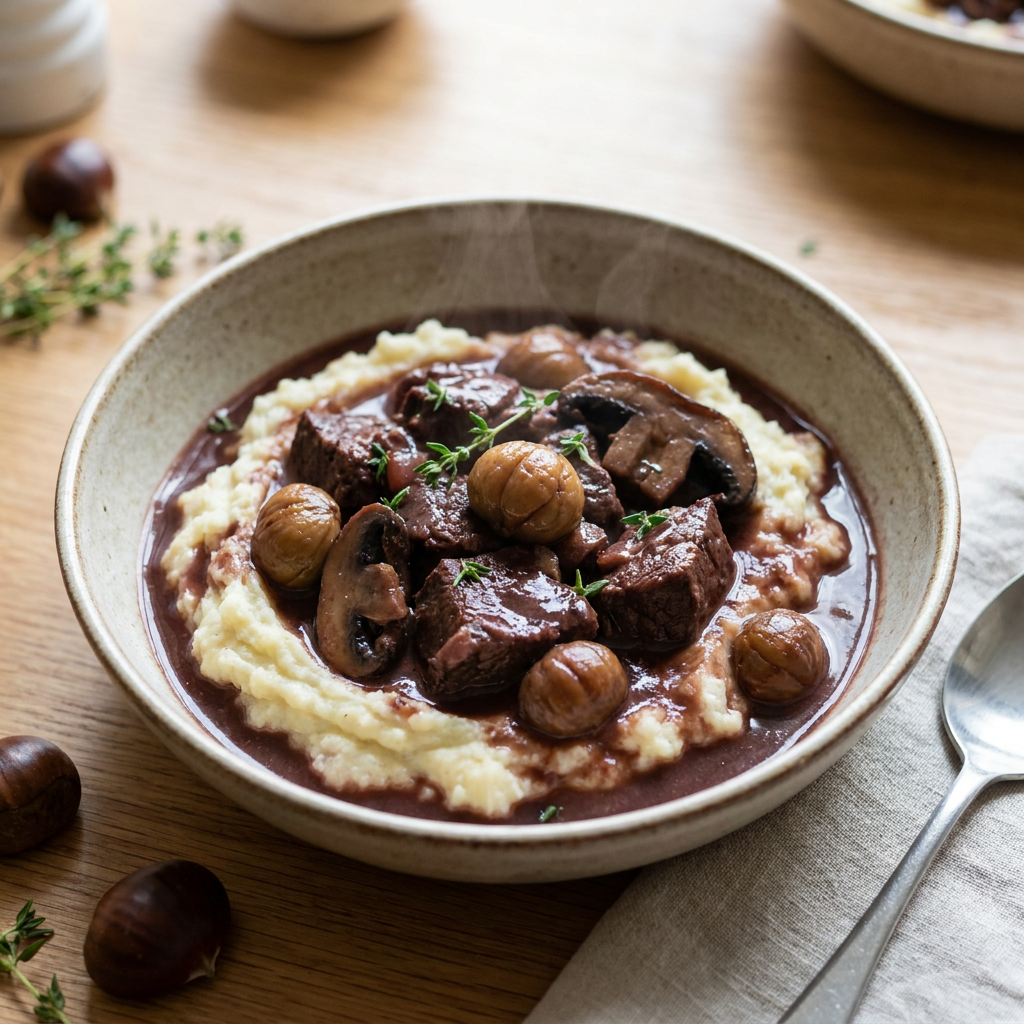
As the days grow shorter and the first cool autumn winds sweep across the land, the season of grand braised dishes begins in Austria. At the pinnacle of the autumn culinary crown stands a traditional favourite: tender, deeply aromatic venison ragout. With a velvety red wine sauce, fine root vegetables, dark wild lingonberries and fluffy bread dumplings, this dish transforms any kitchen into a festive tavern.
Game meat myths debunked: The misconception that game meat tastes gamey and must be marinated in sour brine for days dates back to times before modern refrigeration. Today's fresh venison from local hunting impresses with a mild, fine-fibred texture and a wonderfully nutty aroma that gently unfolds in the roasting pan.
Meat Selection: Shoulder, Leg and the Secret of Tender Meat Fibres
An excellent venison ragout stands and falls with the quality and the right cut of the meat. Cuts with a certain proportion of connective tissue and intramuscular fat are best suited for long, gentle braising.
While the fine saddle of venison is best flash-fried or served pink, the shoulder, neck and leg (affectionately called 'Schlögel' in Austria) reveal their full character when slowly stewed. The collagen it contains gradually melts into gelatine at low temperatures, giving the meat a melt-in-the-mouth texture and naturally thickening the sauce.
In our selection of fresh game meat, you will find first-class cuts from local forests that can be cooked right away without any tedious trimming.
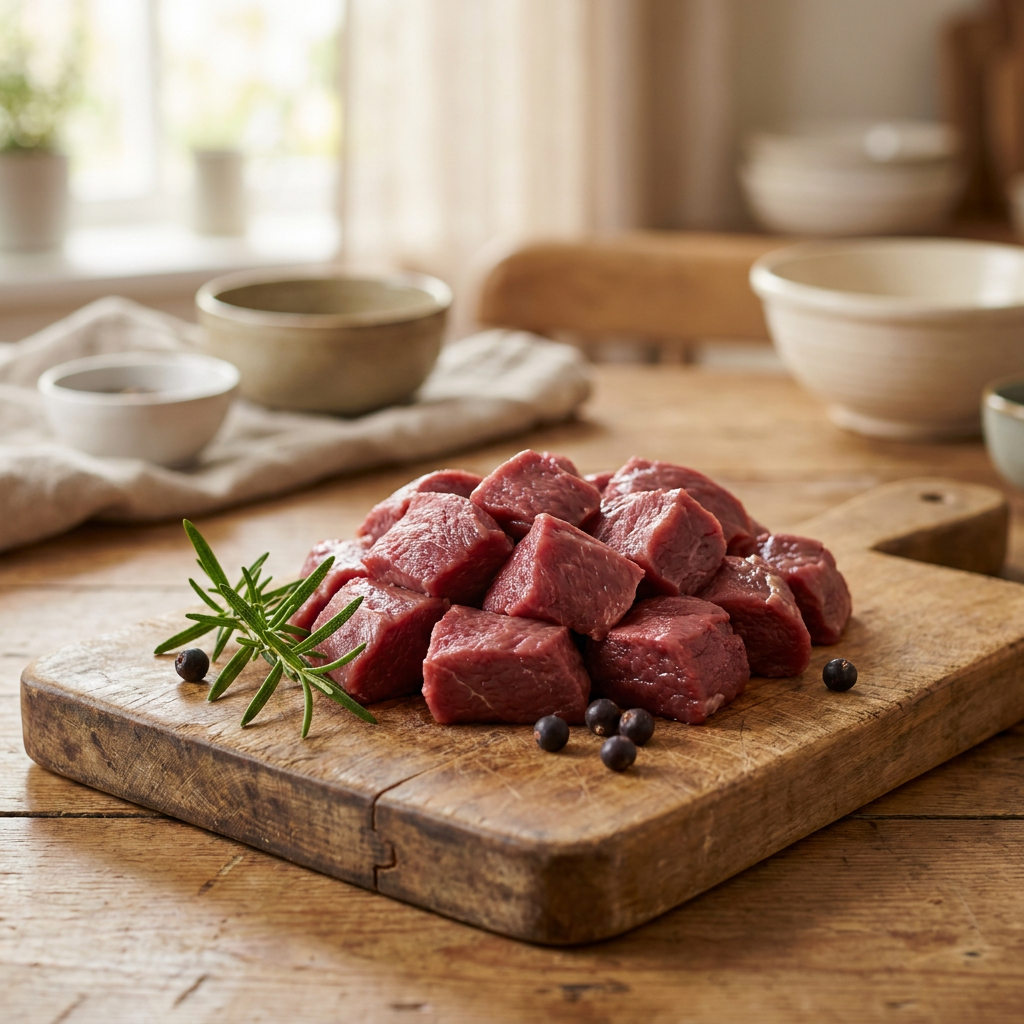
Venison shoulder & neck
The absolute perfect choice for ragout and goulash. Rich in fine tendons that become completely tender during braising and ensure maximum juiciness.
Venison leg (Schlögel)
Leaner than the shoulder, but wonderfully meaty. Important here: cut the meat cubes evenly to approx. 3 to 4 cm so that they cook through gently in the stock.

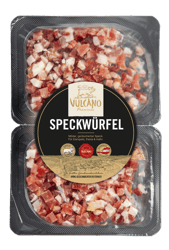
 Esterhazy Reh Rücken ohne Knochen


The Foundation: Searing in Batches, Browning, and Root Vegetables
The incomparable flavor of a dark game ragout is not just created during hours of simmering, but in the first twenty minutes on the stove. This is where you lay the foundation for the typical reddish-brown color and complex roasted aromas.
Sear hot in batches
Never add the patted-dry meat all at once to the pot. Sear in small batches in hot clarified butter or ghee so the pan stays hot and the meat sears instead of boiling in its own juices.
Roasted vegetables & tomato paste
Remove the meat and roast the onions, carrots, celery, and parsley root in the drippings until golden brown. Briefly roast a tablespoon of tomato paste until a wonderful aroma unfolds.
Woodland spices
Lightly crush juniper berries and allspice berries with the back of a knife. Add to the Dutch oven along with bay leaves, fresh thyme, and a pinch of rosemary.
The trick with the fond
When a dark layer forms at the bottom of the roaster, that is pure flavor power. As soon as the tomato paste is roasted to a deep red, deglaze the bottom of the pot step by step.
Carefully scrape up all the browned bits with a flat wooden spatula. This process, also known as deglazing, gives the sauce its characteristic depth and velvety texture.


The right red wine: Zweigelt, Blaufränkisch and the fine interplay of acidity
Never cook with a wine that you wouldn't also enjoy drinking from a glass. A cheap, sour cooking wine transfers its harsh tannins and sharp acidity directly into your ragout, making it almost impossible to fix later.
Austrian red wines are tailor-made for game dishes. Their ripe cherry fruitiness, velvety tannins, and subtle spice harmonize perfectly with the nutty flavor of venison.
In our wine cellar with exquisite Austrian red wines, you will find characterful companions directly from renowned winemakers in Burgenland and Lower Austria.