
Hearty Pork and Sauerkraut Stew Grandma's Style

There are dishes that, even while cooking, smell of warmth, family, and Sunday lunch at Grandma's. A true Austrian Krautfleisch, traditionally served in many taverns as Szegediner Krautfleisch, is the absolute heart of down-to-earth tavern culture. When tenderly marbled pork gently braises in its own juices with delicately tangy sauerkraut, sweet paprika, and nutty caraway seeds, an incomparably velvety sauce is created. Topped with a cool dollop of fresh sour cream, simple regional staple ingredients turn into a masterful culinary delight.
But how do you make the meat so tender that it literally melts in your mouth? How do you tame the acidity of the cabbage without robbing the dish of its fresh character? And why should sweet paprika never be roasted in fat that is too hot? In this recipe guide, you will discover all the secrets to foolproof home cooking. You can conveniently order all the ingredients from local master producers from your couch at Gurkerl and have them delivered fresh to your door in just a few hours.
Well-Marbled Meat
Marbled pork provides valuable collagen. It turns butter-soft during braising and gives the sauce a natural richness.
Mild Sauerkraut
Traditionally naturally fermented and carefully measured. It brings freshness to the plate without overpowering the delicate meat juices.
Sweet Paprika
Gently dusted with paprika and immediately deglazed. It imparts a vibrant ruby-red colour and a deep, fruity aroma.
Fresh Sour Cream
The velvety counterbalance to heat and acidity. Finely tangy cream rounds off the dish and unites all the flavours into pure comfort.
1. The Meat Question: Pork Neck or Shoulder for Tender Perfection
Every legendary braised dish stands or falls with the quality and cut of the meat. When making Krautfleisch, many make the understandable mistake of choosing cuts that are too lean, such as pork loin or schnitzel meat. The sad result is dry, fibrous meat that lacks any juiciness after an hour of braising.
Why pork neck and shoulder are unbeatable
For an incomparably tender Krautfleisch just like grandma used to make, two cuts of pork traditionally make the shortlist: pork neck (Schopfbraten) and pork shoulder. Both cuts are thoroughly marbled with fine veins of fat and natural connective tissue.
While lean cuts dry out during prolonged cooking, a culinary miracle happens with pork neck and shoulder: the abundant collagen in the connective tissue gradually melts into velvety gelatin at a gentle braising temperature. This keeps the meat fibres juicy and tender, while the rendered juices lend the sauce a natural, wonderful richness. Discover first-class regional quality in our wide selection of fresh Austrian pork as well as finest cuts in our category for goulash and stewing meat.

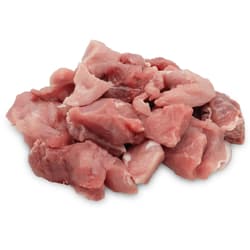

 Goulash meat from the shoulder

2. Sauerkraut: Taming the Acidity and Awakening the Aroma
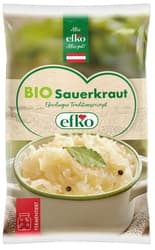
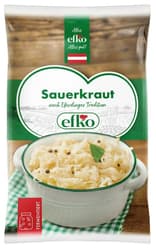
Sauerkraut gives Krautfleisch its name, its freshness, and its characteristic flavor. However, raw sauerkraut from the barrel or pouch often has a sharp, intense acidity that can overpower the delicate braised flavors. The right preparation here is crucial for balancing the entire dish.

-
A
Taste test before cooking
Taste a small forkful of sauerkraut raw. If it is too sour or salty for your liking, rinse it briefly in a colander under cold water and squeeze it out well with your hands. If it is pleasantly mildly fermented, add it directly to the pot along with its juice.
-
B
Loosen and chop the sauerkraut
Very long strands of cabbage are hard to manage on the plate. Cut across the drained sauerkraut two to three times on a cutting board so that it combines smoothly with the pieces of meat later on.
-
C
Balancing with a pinch of sweetness
A small pinch of sugar or half a finely grated tart apple takes the edge off the lactic acid and harmonizes wonderfully with the fruity paprika notes.

3. The Art of Seasoning: The Secret of Blooming Paprika
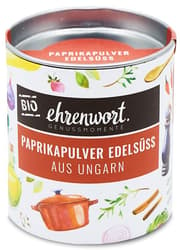
Like every great dish of traditional Austrian tavern culture, Krautfleisch thrives on the magic of paprika. But paprika powder is a sensitive diva. If you rush here or risk too much heat, you ruin the entire aroma.
The Essential Seasoning Companions
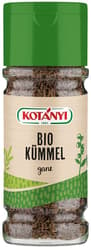
Alongside top-quality lard and yellow onions, a fine composition from our world of herbs and spices provides the typical, deep tavern flavour:
Paprika powder contains natural sugars. If stirred into boiling fat, it burns within moments and turns bitter. Take the pot off the heat briefly, quickly stir the paprika into the onions, and deglaze immediately with two tablespoons of vinegar and a little stock. The vinegar preserves the vibrant colour and masterfully balances the sweetness of the onions.



4. Braising: Patience, Gentle Heat, and Do's & Don'ts
Once onions, meat, sauerkraut, and spices come together in the pot, time takes over. An authentic Krautfleisch is not cooked in a rush; you let it gently simmer in complete peace.
Slowly cook the onion base
Heat two heaping tablespoons of clarified butter or lard in a heavy Dutch oven. Sweat 500 grams of finely diced onions over gentle heat for 15 to 20 minutes until translucent to pale golden. They should melt soft, but never turn dark brown.
Deglaze & Season
Remove the pot from the heat. Quickly stir in three heaping tablespoons of sweet paprika and immediately deglaze with two tablespoons of vinegar and about 150 milliliters of beef stock. Fold in the finely chopped garlic and crushed caraway seeds.
Add the meat & sauerkraut
Add 800 grams of raw diced pork neck to the pot (in the traditional recipe, the meat is not seared!). Spread 800 grams of prepared sauerkraut over it, tuck in a bay leaf, and mix everything thoroughly.
Gently simmer on low heat
Cover with the lid and let the Krautfleisch simmer gently on the lowest setting for 90 to 120 minutes. The meat releases its own juices. Only if needed, add a few drops of hot stock so the sauce remains nicely concentrated.
- Use heavy pots: Cast iron Dutch ovens distribute heat evenly and prevent burning.
- Choose low heat: The liquid should only gently bubble so the collagen melts and turns butter-soft.
- Cook the day before: After a night in the fridge, the meat fibers and sauerkraut aroma blend to perfection.
- Never boil vigorously: Excessive heat forces the juices out of the meat fibers and makes them tough.
- Do not drown in liquid: Krautfleisch is not a soup, but a thick, velvety braised dish with a rich sauce.
- No flour for thickening: With the right amount of onions and meat, the sauce thickens completely on its own.
5. The finishing touch: Creamy sour cream and perfect side dishes
When the meat falls apart tenderly and the cabbage is braised until buttery soft, comes the crowning glory: fresh Austrian sour cream. It softens the fiery paprika spice, binds the sauce to a velvety finish, and gives the dish its signature light pink hue.

The sour cream trick: Never stir in while boiling!
Take the pot off the heat before stirring it in. Liquid that is too hot will cause the sour cream to curdle. If you prefer, simply dollop the ice-cold sour cream directly onto the steaming portion just before serving.