

Lulo
705 Kunden haben das Produkt als Favorit
8 % der Kunden kaufen regelmäßig
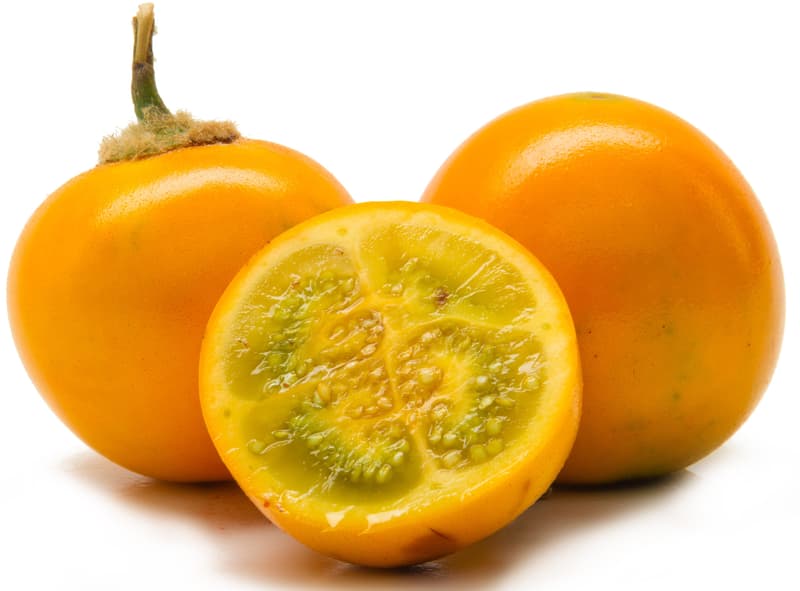
Entdecken Sie die exotische Lulo aus Kolumbien! Diese einzigartige Frucht, auch als kleine Orange bekannt, vereint die Aromen von Rhabarber, Guave, Ananas und Erdbeere zu einem herrlich säuerlichen Geschmackserlebnis. Sie erhalten ein Stück dieser besonderen Frucht, deren gallertartiges Fruchtfleisch sich perfekt zum Auslöffeln oder für die Zubereitung eines erfrischenden, königlichen Saftes eignet.
Ähnliche Produkte


Herkunftsland
Beschreibung
Die Lulo ist ein südamerikanisches Nachtschattengewächs. Ihre Früchte ähneln einer Mischung aus Orange und Tomate und ihr Inhalt wird meist zu einem leckeren Saft verarbeitet und als „königliches Getränk“ serviert.
Zwischen drei und sechs Zentimeter groß werden die Beeren der Lulo-Pflanze. Lulos werden sie hauptsächlich in Kolumbien genannt, in vielen anderen Ländern Südamerikas heißen sie hingegen Naranjillas (kleine Orange).
Geschmack und Verwendung der Lulo
Geschmacklich erinnern Lulos an eine Mischung aus Rhabarber, Guave, Ananas und Erdbeeren. Leicht säuerlich, aber sehr exotisch. Das Innere der Lulo besteht aus gallertartigem Fruchtfleisch, in dem die essbaren Samen der Pflanze liegen. Äußerlich erscheinen sie dagegen wie eine Mischung aus Tomate und Orange, in reifem Zustand sind sie allerdings etwas kleiner als Tomaten.
Wird das Fruchtfleisch nicht zu Saft verarbeitet, wird die Lulo in der Mitte geteilt und das Fruchtfleisch einfach in den Mund gedrückt. Natürlich kann man sie auch auslöffeln wie eine Kiwi. In ihren Ursprungsländern, vor allem in Kolumbien, werden Lulos überwiegend zu Saft verarbeitet. Aufgrund seines Geschmacks wird dieser als „das königliche Getränk“ bezeichnet. Kolumbianer beispielsweise schwören darauf.
Zubereitung
Für einen erfrischenden Saft wird das Fruchtfleisch von 3 Lulos mit 300ml Wasser in einen Mixer gegeben. Kurz gemixt, löst sich das Fruchtfleisch von den Kernen. Der Saft wird dann gesiebt, um die Kerne entgültig vom aromatisch gelben Saft zu trennen. Den Saft wieder in den Mixer und mit einem Esslöffel Zucker abschmecken.