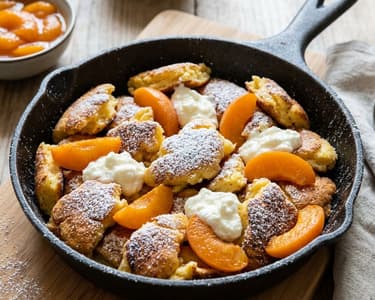
Sheet Pan Apricot Cake: Moist Recipe & Tips
A fragrant sheet pan apricot cake is the centerpiece of local summer. With sun-ripened, juicy apricots, fluffy batter, and a delicate note of real vanilla, this traditional pastry enchants every coffee break. In this comprehensive guide, you will learn all the pro tricks for the perfect batter, how to guarantee your fruit pieces won't sink to the bottom of the baking sheet, and how to keep the sheet cake wonderfully moist.
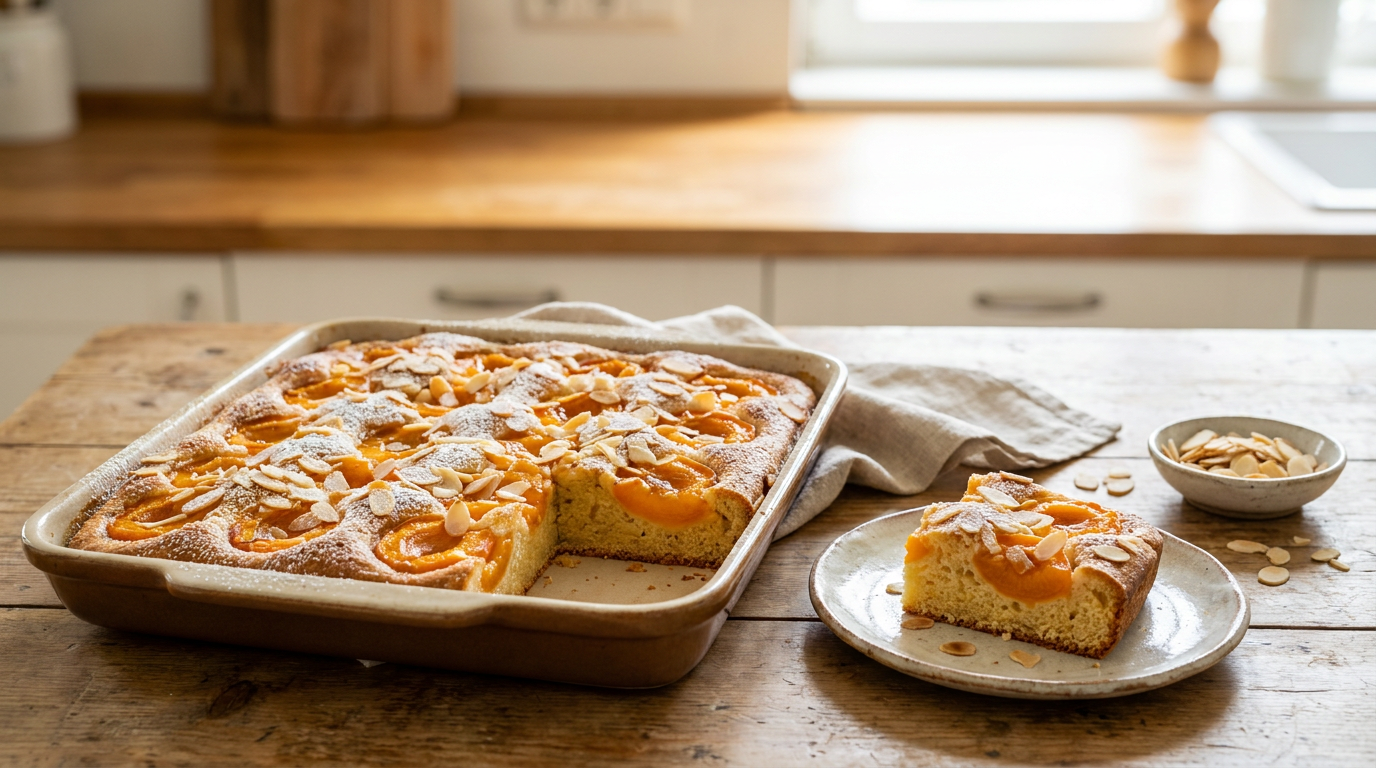
1. The perfect apricot: Quality, ripeness & the right cutting technique
The undisputed star of any apricot cake is, of course, the fruit itself. In Austria, we especially love authentic Wachau apricots, which develop their incomparable, delightfully sweet-and-sour aroma through the interplay of the Pannonian climate and cool Waldviertel nights. To make sure your cake doesn't turn soggy and the fruit unfolds its full bouquet in the oven, choosing the right fruit in the fruit section is key.
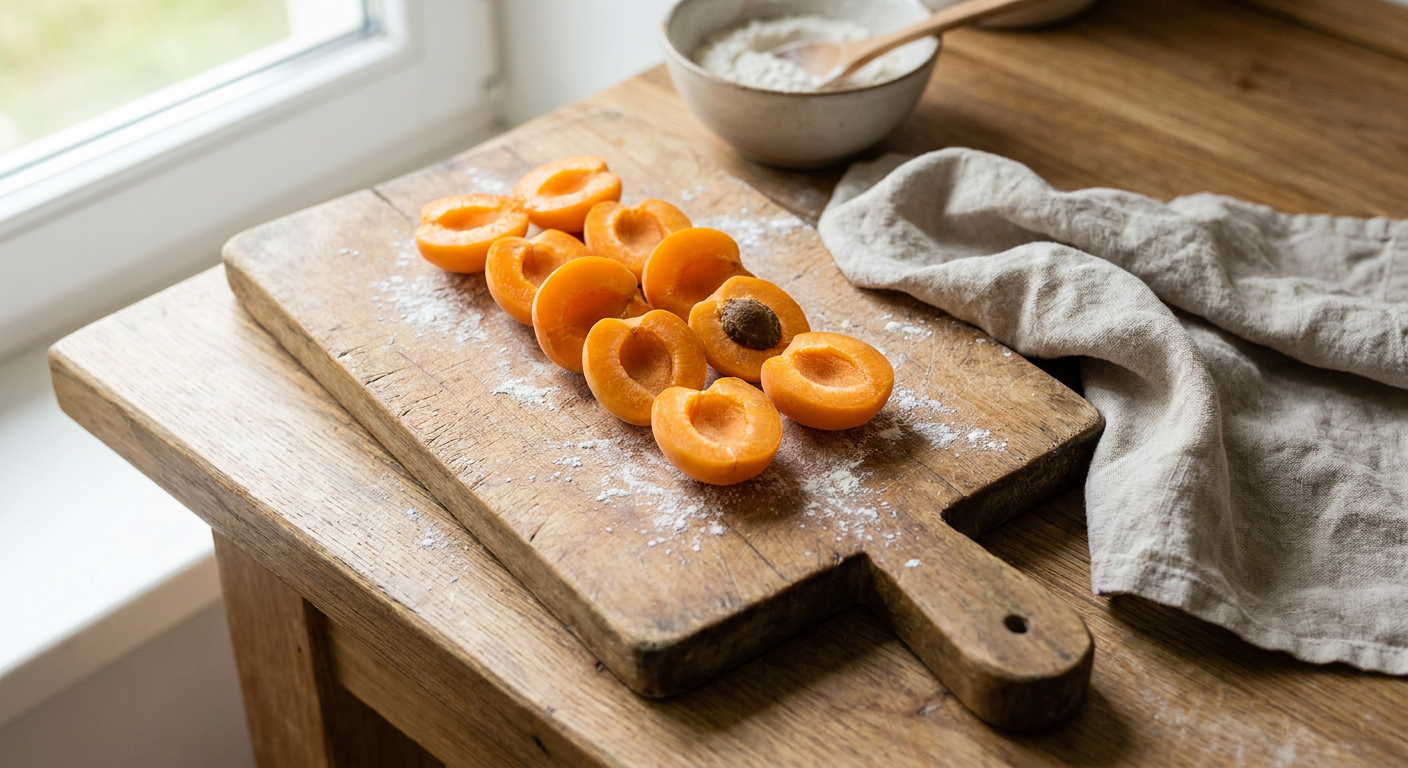
When shopping, look for plump fruit with velvety skin and deep orange cheeks. Apricots should yield slightly to gentle finger pressure, but should never be overripe or mushy. Apricots that are too firm and green don't have enough natural sugar yet, while overripe fruit releases too much juice during baking and turns the batter soggy.
2. Fluffy & moist: The perfect basic sponge recipe
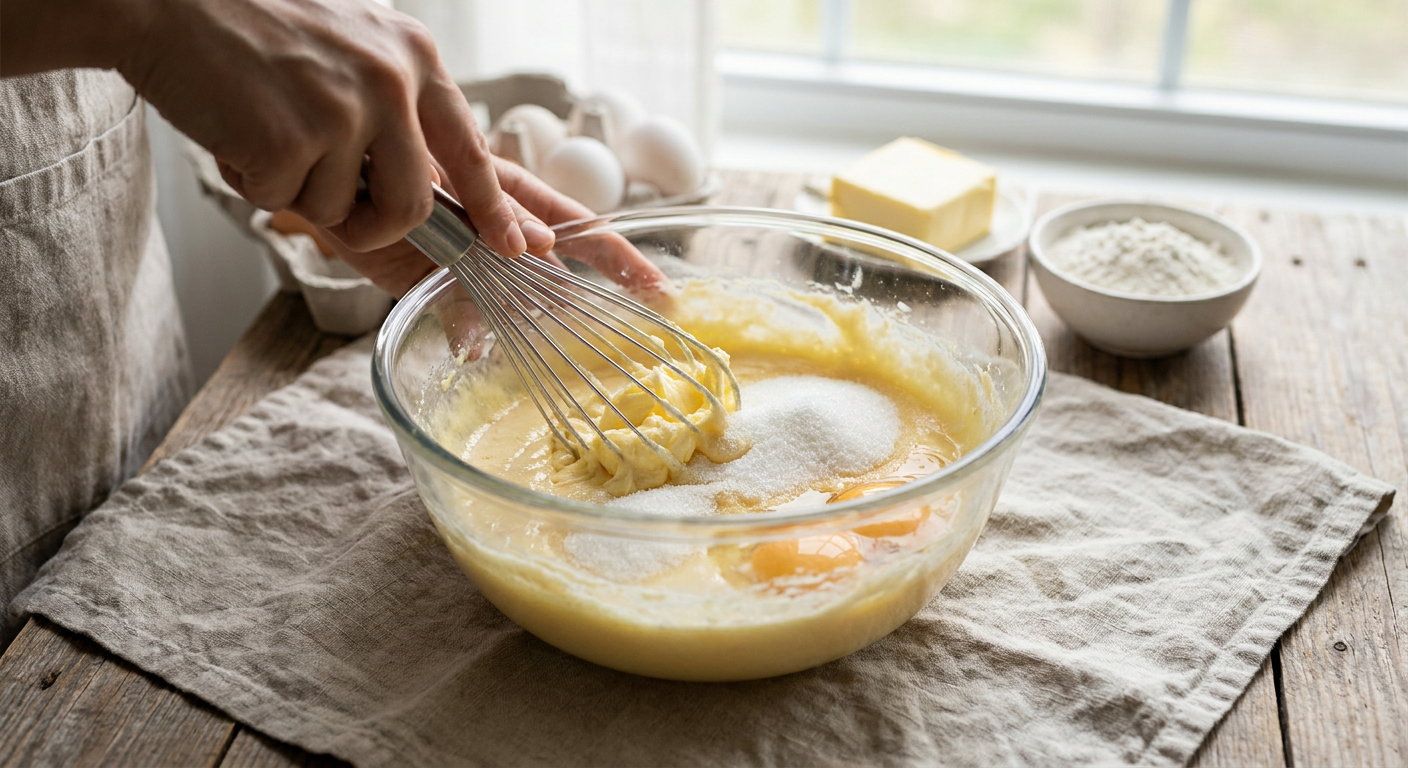
The classic Austrian tray bake cake is traditionally based on a fine creamed batter. It forms the perfect, stable base for holding the juicy apricot halves without feeling dry or heavy. While some swear by oil batter, the combination of room-temperature tea butter, eggs, and high-quality Austrian flour delivers the unrivaled best taste experience.
Preparation doesn't require a master pastry chef degree, just a little patience when whipping up the ingredients. Thoroughly beating the butter, sugar, and egg yolks introduces air into the batter. When you finally gently fold in the stiffly beaten egg whites, you get a wonderfully airy batter that rises evenly in the oven.
A quick tip for the flour: It is best to use smooth wheat flour (Type 480) or a 1:1 mixture of smooth and coarse-grained flour. The coarse-grained flour provides the necessary structure so the cake stays moist after cooling.
3. The Pro Tip: How to stop apricots from sinking
It has probably happened to you too: you lovingly top your cake with fresh apricot halves, slide the tray into the oven, and after baking, all the fruit has sunk without a trace to the bottom of the pan. The result is a sticky cake base and a dry top surface.
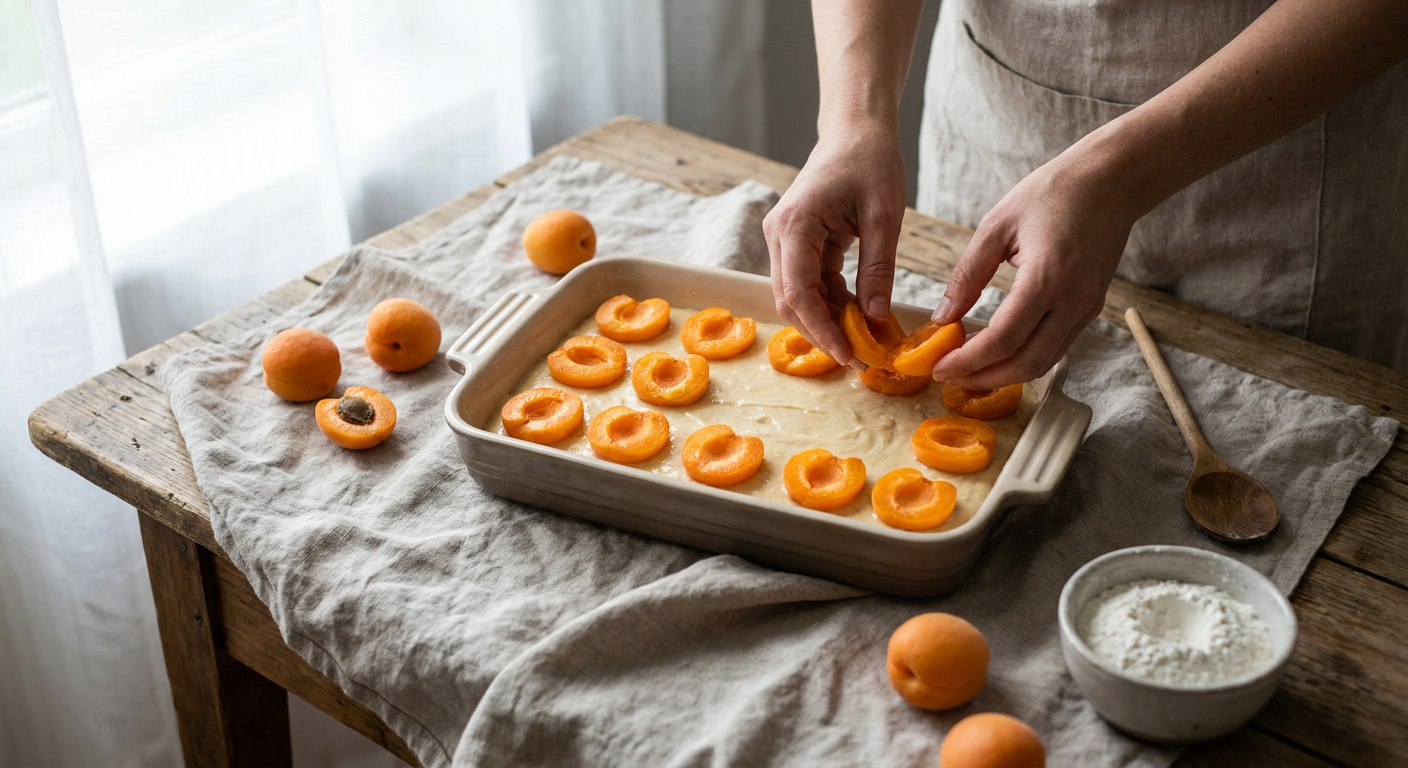
The reason for this lies in the density of the batter and the moisture of the fruit. Juicy apricots are heavier than unbaked batter. When the baking powder heats up in the oven and loosens the batter, the heavy fruit slides down before the batter structure can set and firm up. But don't worry, with a few simple tricks, even delicate Austrian pastries are a breeze to make!
 50 min
 Under an hour