
Mandarins small, loose
1,359 customers have this product in their favourites
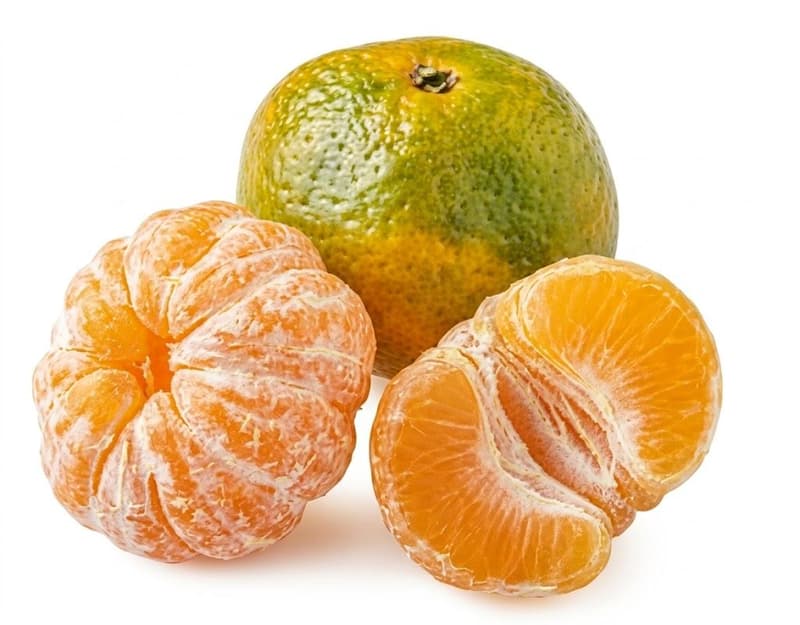
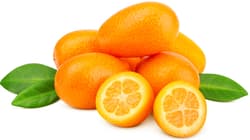
These sun-ripened, loose satsumas from Spain delight with wonderfully juicy, refreshing sweet-and-sour flesh and are virtually seedless. They are remarkably easy to peel by hand, making them an ideal snack for on the go. A slightly greenish peel is completely natural and simply highlights the fresh, early harvest of these delicious citrus fruits.

Country of origin
Description

Mandarins are citrus fruits. They originate from Asia and were first brought to Europe in 1805 by the English. The so-called Mediterranean mandarins developed from these mandarins.
The origin of the name "mandarin" is disputed. Some sources claim that the name derives from the orange colour of the official robes of high-ranking officials in the Chinese Empire, the mandarins. Others believe that the mandarin was considered the most valuable citrus fruit in China and, more than the others, the fruit of the wealthy, i.e. also of the mandarins, the high-ranking government officials.
Today, a whole group of citrus fruits are zusammengefasst under the collective term mandarin. These citrus fruits, of which the Satsumas, tangerines and clementines are the best known, have arisen from crosses between oranges and mandarins.
They are aromatic and sweet in taste.
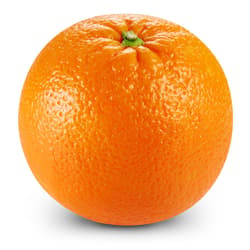
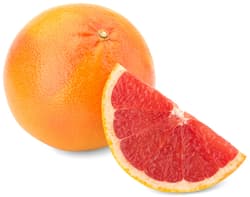
There is also the Minneola, a cross between mandarin and grapefruit. The orange also originates from a cross between grapefruit and mandarin.
About the plantation
In 2010, Luis Bolaños, founder of Iberhanse, watched with great concern how the increase in global consumption was leading to an uncontrolled expansion of agriculture, with agriculture becoming the main predator of ecosystems and nature. In a confined space, this meant that the animals that had been seen in the past, such as partridges, rabbits or birds of prey, had disappeared from the farms that Luis visited. In addition, soil erosion forced the farms to carry out costly soil measures every year.
In this way, and although this situation was not a priority or a concern for society in general and for mass consumption at that time, Luis realised that the current production model was outdated and on the verge of collapse. At that time, he decided to start a new production model on his farms that would defuse this situation.
In view of this worrying panorama, the company intuitively decided in this first phase to integrate environmentally friendly techniques into agricultural production that would have as little impact on the environment as possible and would help to restore and protect habitats. And all this despite the still low interest of large retailers and consumers.
To prevent erosion, seeds were sown directly on the roads of the farms, and reserve areas without agricultural or human activities were created for the recovery of flora and fauna.

The results were surprising and, most importantly, without affecting production. This prompted Iberhanse to extend these measures.
This was the birth of Bio-Inclusive Agriculture; bio-integrative agriculture.
Thanks to sustainable agricultural practices, the farms have reduced water consumption by 25%, energy consumption by 20% and the number of pesticides used by 70%, thus minimising their toxic load. More than 75 animal species have been resettled, 3 million cubic metres of water have been converted into natural ecosystems, 30,000 metres of borders and banks have been restored and 14,000 metres of green corridors have been created.
Biodiversity and species diversity are the key here to creating an optimal interplay between successful, sustainable agriculture and a healthy natural environment.

Storage recommendation
Mandarins and oranges stay fresh for several weeks when stored dry, cool and dark. Like most citrus fruits, they do not tolerate cold and should therefore not be stored in the refrigerator. It is best to store them in a fruit basket.