
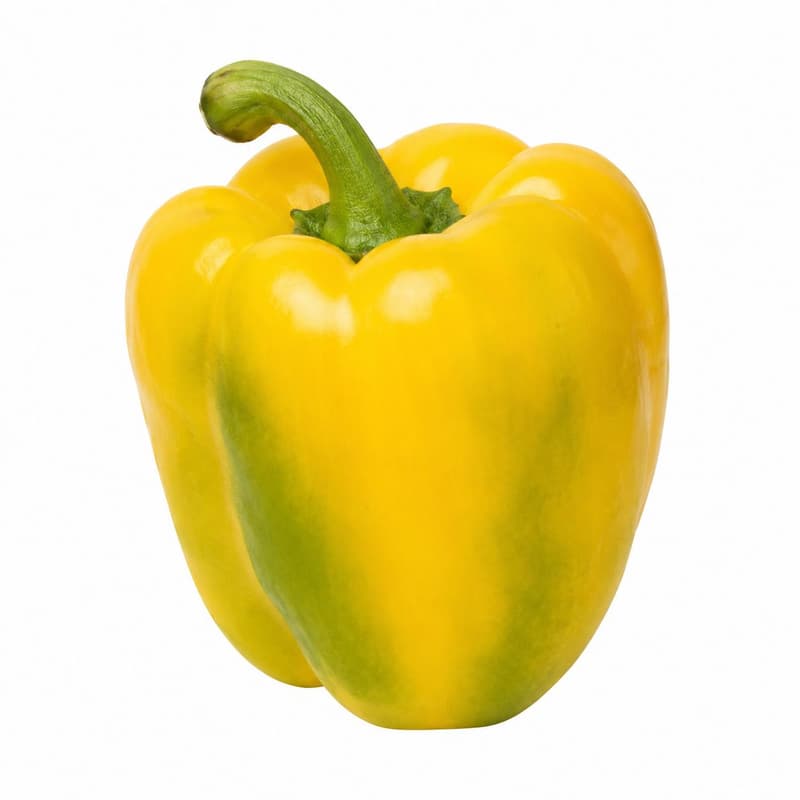
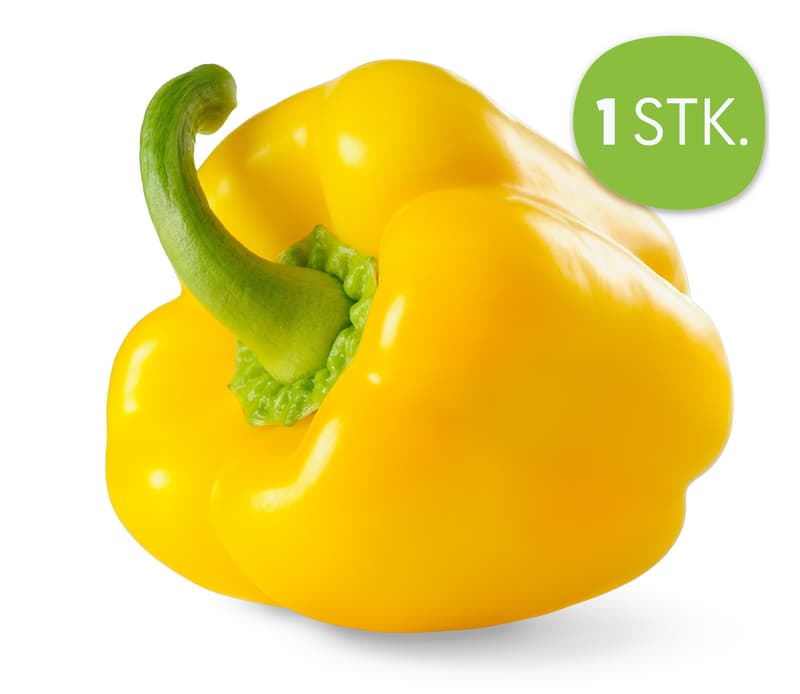
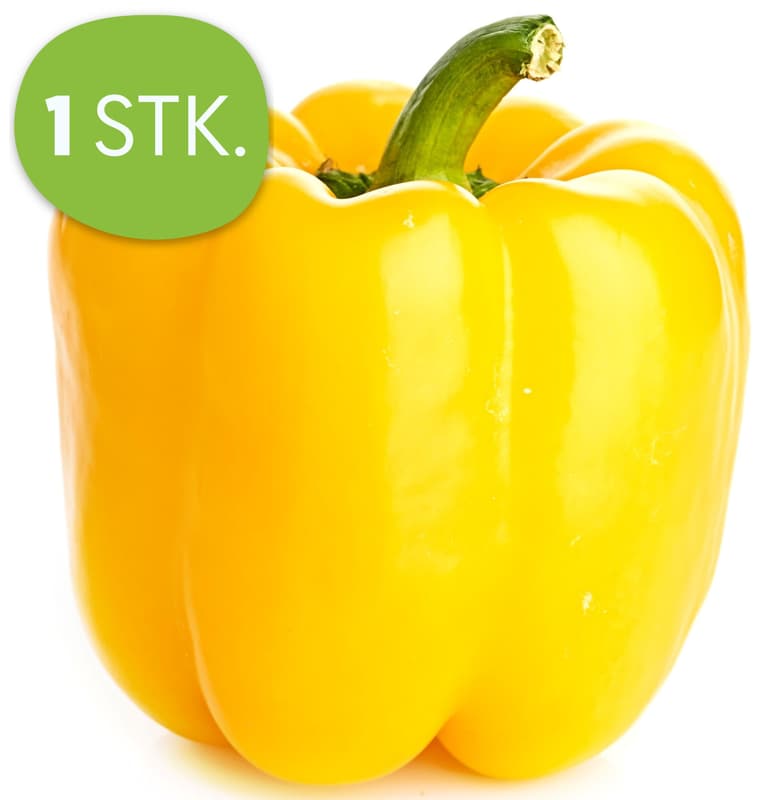
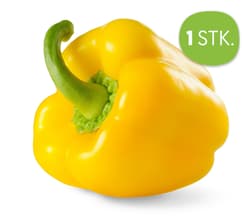
BIO Paprika Yellow
3,717 customers have this product in their favourites
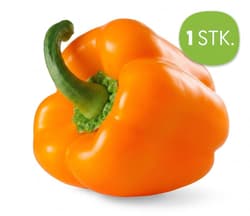
This organic yellow bell pepper of the Elsa variety from BIO-Gärtnerei Fleischhacker delivers a crisp, fresh texture and a wonderfully mild, savory flavor. Originating from Holland, this freshly harvested farm product brings premium organic quality straight to your table. Enjoy it raw in fresh salads, cooked, roasted, or filled with your favorite delicious ingredients.
Similar products
 Pepper red
 30 min
 Quick
Quick



Country of origin
Description

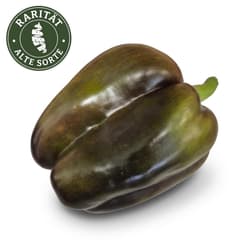
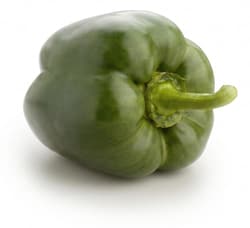
Paprika grows on a 30-100 cm high bush. The fruits, "paprika pods", come in many shapes, colors and sizes. The round or blocky to elongated narrow and pointed pods reach fist size and weigh up to 250 g. The smooth, shiny skin can be red, yellow, green, but also orange, white, purple and black. Inside are fruit chambers and seeds. Paprika tastes crispy-fresh and mildly spicy.
Origin
The paprika plant is native to the tropics of South and Central America. Spanish conquerors brought it from there to Europe in the 16th century, where it was initially grown only as an ornamental plant and only later as a vegetable. Today it is cultivated in numerous countries, including Italy, France, Spain, Greece, Turkey, Hungary, Israel and in many African, Asian, Central and South American countries. Paprika is now also an integral part of the vegetable range in Germany. Paprika is available all year round, most of all from summer to late autumn, especially from Spain, Italy, Hungary, Turkey and the Netherlands.
Main varieties
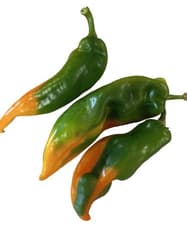
The distinction between vegetable and spice paprika (peppers, Spanish pepper) is based on the taste or the content of the alkaloid capsaicin, which is much more present in the latter. Spice paprika usually forms pointed pods up to 15 cm long. The flesh is firmer and thicker, hot to very hot (depending on the capsaicin content) and spicy. The small chili peppers are particularly fiery. Another type of paprika besides vegetable and spice paprika is the tomato paprika, which was bred in Hungary a hundred years ago and could be mistaken for a cross between vegetable paprika and tomato. The fruit walls of the tomato paprika are fleshy and juicy. The fruit is sharper in taste than vegetable paprika, but much sweeter. This type of paprika is eaten like tomatoes or other paprika pods.
Tips
When shopping, make sure that the fruits are firm, smooth and shiny. Wrinkles and spots indicate too long storage with loss of vitamins and aroma. Paprika tastes particularly fine when peeled (for this purpose, briefly pour boiling water over it).
Preparation
Wash the fruits, cut them open, remove the stem, the inner partitions and the seeds and use the pods as desired. Paprika is eaten raw, as a salad, stewed or cooked, on its own or together with other vegetables as a warm vegetable, stew or as sauerkraut. Paprika pods with rice/meat fillings are very popular.
About the producers
At the Bio Pusztahof Michlits, the courage for climate-friendly innovation is on the agenda.
With organic kiwi berries, turmeric and ginger, the Michlits family has been producing exotic fruits in Burgenland since 2018.
In short, it is a market-oriented organic vegetable farm that is always looking for new and innovative crops.
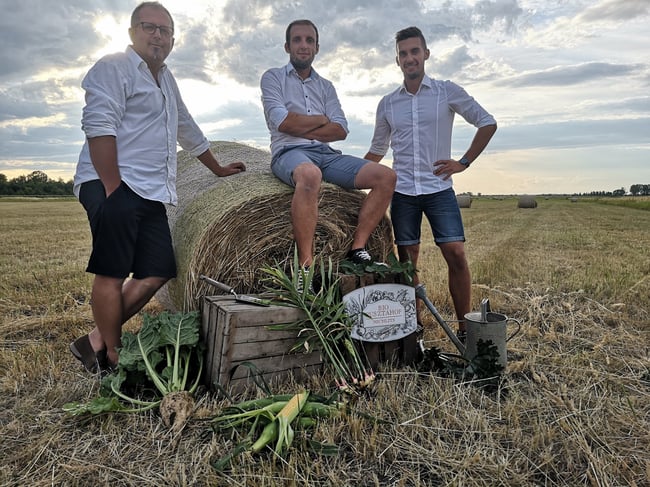
Our small organic nursery called Fleischhacker is located in Simmering, a historic vegetable supply district in Vienna. The family business has been in existence for over 100 years and is now being managed by us in the 4th generation.
We produce the "Elsa" variety for the yellow peppers.
Sustainability and the conscious use of nature and its resources are very important to us, which is why we have opted for organic farming. On approx. 2 ha we produce seasonal vegetables in organic quality all year round.

Storage recommendation
Paprika is best stored at a temperature of 5–10° C, preferably not in the refrigerator