
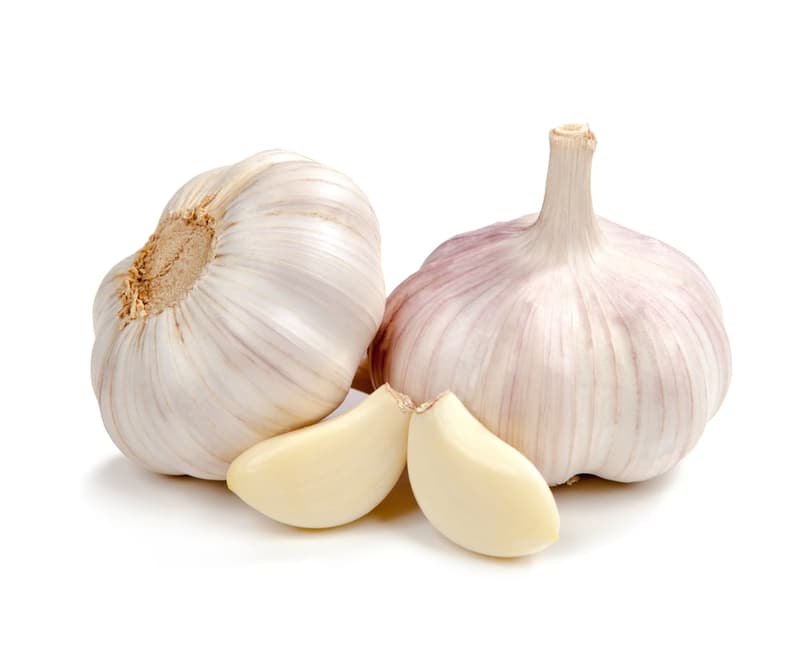
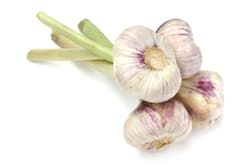
BIO Garlic

1,558 customers have this product in their favourites
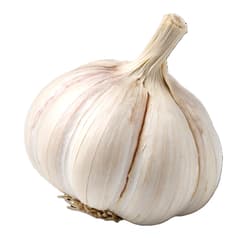
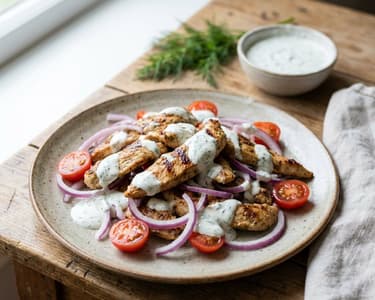
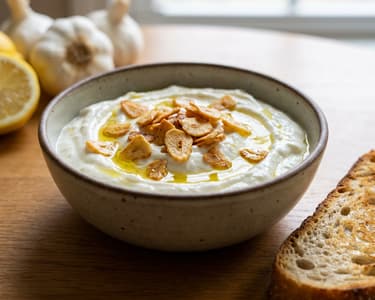
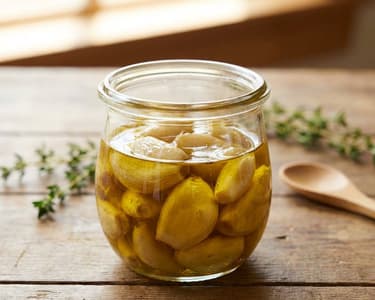
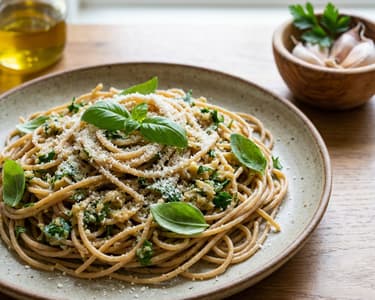
This aromatic organic garlic from China is the perfect way to bring rich, natural flavor to your kitchen. Grown under organic standards, these high-quality cloves are ideal for crushing into fresh salads, hearty meat dishes, pasta sauces, or homemade garlic butter. It is a versatile, flavorful kitchen essential that adds a delicious, savory depth to all your favorite everyday meals.
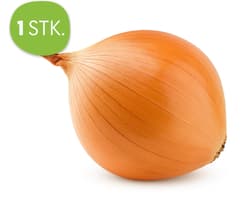
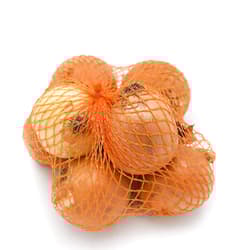
 Onion yellow size M

 40 min
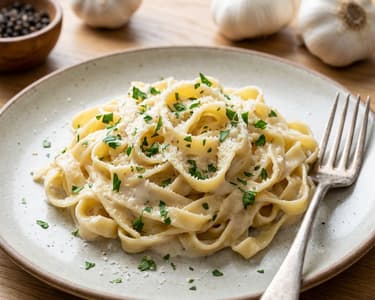
 Under an hour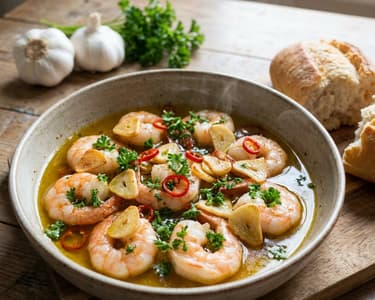

Country of origin
Description
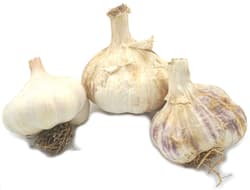
With an annual global production of around 2.5 million tonnes, garlic is one of the 20 most important vegetables in the world. Garlic is booming as a natural remedy. The garlic bulb, is broad-ovate, roughly longitudinally beaded, smooth, white-glossy and composed of up to 12 daughter bulbs, so-called prongs or claws. The bulb is encased in several dry, white to reddish skins. Each individual toe, in turn, is surrounded by a papery skin.
Origin
The home of garlic is not certain; its origin is probably in south-west Asia, the steppes of Inner Asia and India. The ancient peoples, the Sumerians (5000 BC), the ancient Babylonians, Indians, Chinese, Greeks and Romans used garlic for culinary and medicinal purposes. Today, garlic is grown wherever there is a dry and sunny climate. The German market is dominated by imports from Spain, France, Italy, Argentina, Mexico, China, etc.
With insignificant domestic production, the German market is dominated by imports from Spain, France, Italy, Argentina, Mexico, China, etc.
Tips
The following helps against garlic breath: Chew some parsley, peppermint, 1-2 cloves, fresh ginger slices soaked in vinegar or drink fresh milk.
Preparation
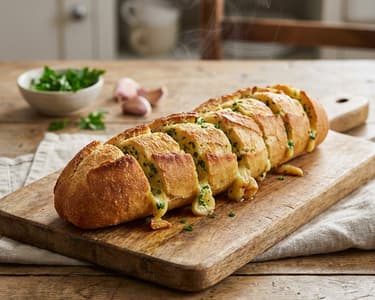
The most delicious dishes and foods contain garlic or have become so delicious precisely because of it. To use, peel the cloves and crush them on a little salt with a knife or in a garlic press. In principle, garlic should only be used in moderation. A touch of garlic goes well with almost any salad. Garlic is often used with lamb and fatty pork, in strong sauces, stews, pasta dishes, garlic butter, etc.
.