
Only 13 items left
443 customers have this product in their favourites
23% of customers buy regularly
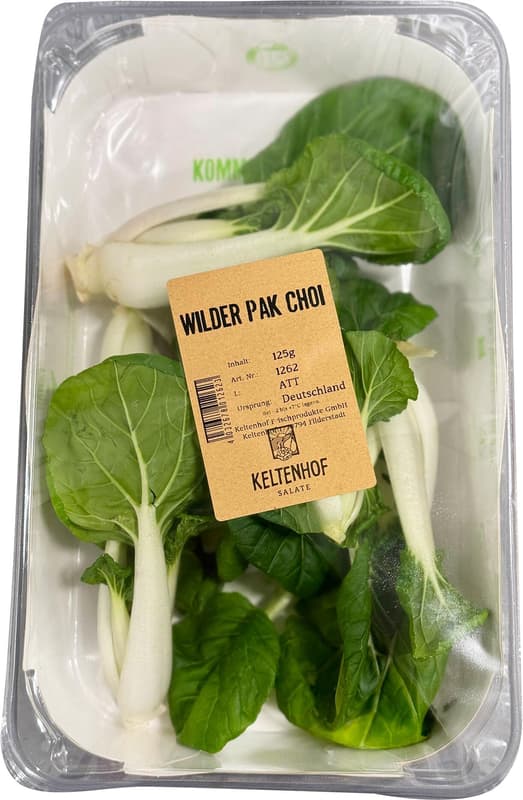
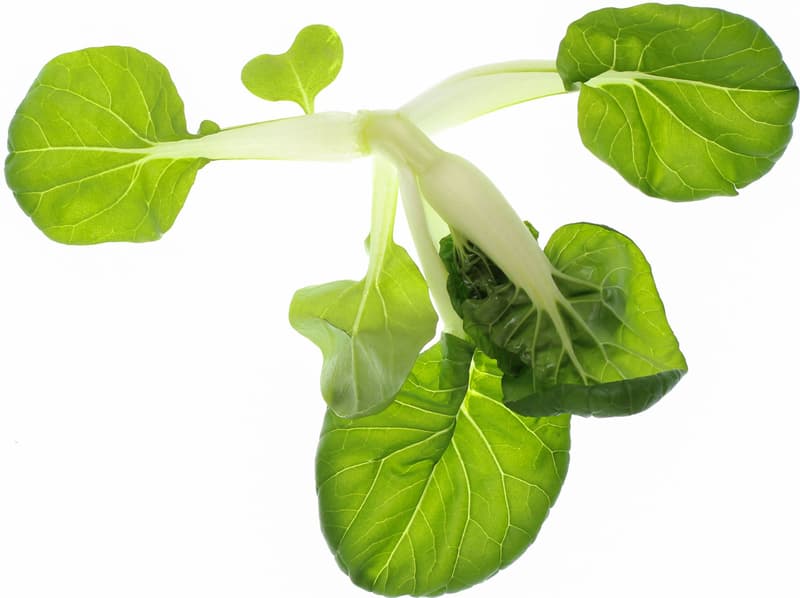
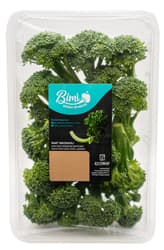
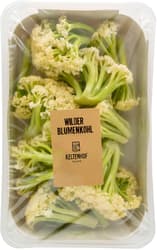
Looking for a fresh, sustainable green? Try this wild Pak Choi from the German brand Keltenhof. This 125 g portion is grown using eco-friendly farming methods that protect the soil and local wildlife. It comes in innovative, sustainable packaging made of FSC-certified cardboard and recycled PET, which you can easily separate for recycling. It is a perfect, conscious choice for your next Asian-inspired dish.
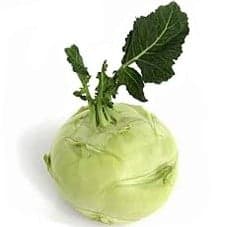
 BIO Kohlrabi

 20 min
 Quick
Quick


Country of origin
Description


Keltenhof practices consistently sustainable agriculture. This includes gentle methods for cultivating and harvesting the products. Sustainable and environmentally conscious fertilization is used to increase the soil's storage capacity. To ensure plant health, natural substances such as plant extracts, rock flours, and effective microorganisms are used. Additionally, preventive biological (beneficial insects) or biotechnological (nets) measures are employed.
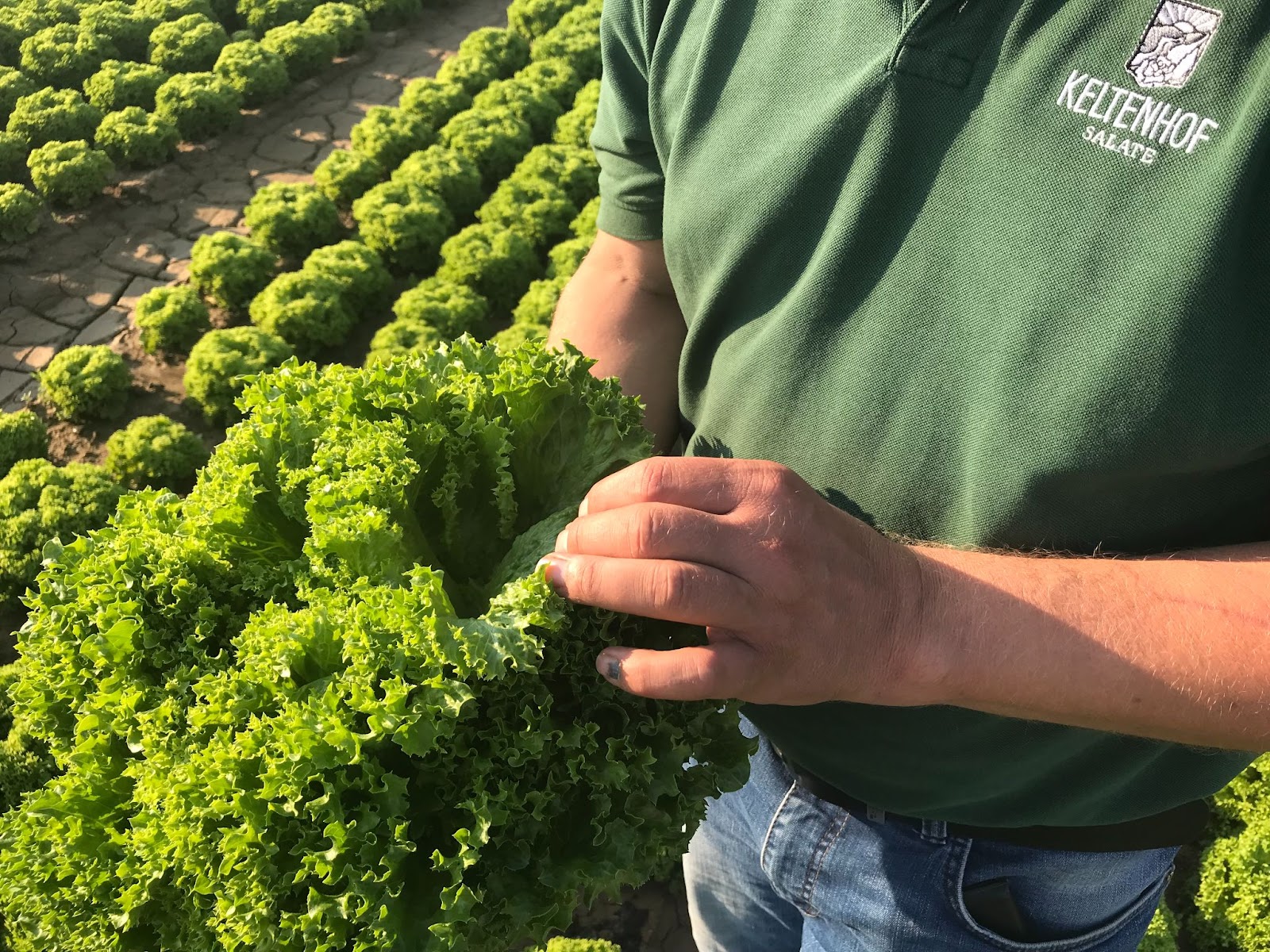
Heat recovery from cold storage rooms and solar panels on over 3,000 m2 of roof area have enabled sustainable energy management for several years. Wash water from production is filtered and flows into a specially created pond, serving to irrigate the fields. Hedge and shrub plantings, as well as flower strips in the fields, provide much-needed habitats for insects, birds, and small mammals. Green products are presented in environmentally friendly packaging.
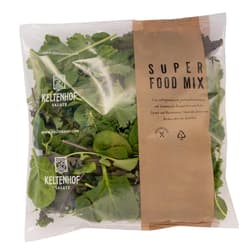
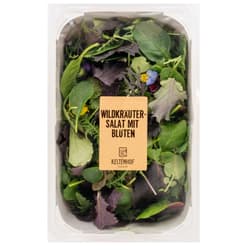
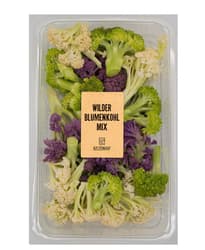
Packaging is also regularly critically reviewed, and after a long search, a sustainable packaging solution for salad bowls was found. Thanks to the new sturdy outer layer made of FSC-certified cardboard, the inner lining (80% recycled PET), which is necessary for food safety, can be reduced to a minimum. Both components are glued in such a way that they can be easily separated for disposal, thus remaining in the recycling loop. This is therefore not greenwashing, but rather a clear reduction in the materials required and, where possible, the use of renewable raw materials.